Gaming has transformed from a niche pastime into one of the most dominant cultural forces of the 21st century. What began as simple beeps and blips on arcade machines has evolved into sprawling virtual universes that host millions of players simultaneously. The gaming industry today is not merely a form of entertainment; it is a living, breathing ecosystem of creativity, technology, community, and storytelling. To understand gaming today, we must explore its roots, its evolution, and the emotional power it holds over millions of players around the world.
The Origins of Gaming: Where It All Began
In the early 1970s, video games were a curious novelty. Games like Pong, with their minimalist visuals and simple mechanics, were revolutionary for their time. The idea that players could interact with a screen was itself groundbreaking. As technology advanced, arcade halls filled with bright lights and sounds became social hubs for young enthusiasts eager to test their reflexes and skills.
By the 1980s, home consoles such as the Atari 2600 brought gaming into living rooms, allowing families to share the excitement together. Games were still basic by modern standards, yet they carried a sense of wonder that has never truly disappeared. Titles like Space Invaders, Pac-Man, and Donkey Kong sparked imaginations and laid the foundation for what gaming could become — not just play, but storytelling and art.
The Rise of Home Consoles and the 8-Bit Revolution
The 1980s marked the true dawn of the gaming revolution. With Nintendo’s entry into the market, gaming leapt forward dramatically. The Nintendo Entertainment System introduced iconic franchises such as Super Mario Bros., The Legend of Zelda, and Metroid. These games were not only fun to play but also built deep, imaginative worlds that players could explore and remember.
This was when gaming began to develop emotional depth. The stories may have been simple, but the sense of adventure was powerful. It was no longer just about scoring points — it was about rescuing a princess, saving a world, or defeating a dark force. The 8-bit graphics may seem crude now, yet they carried a distinct charm that remains nostalgic for millions even today.
The 3D Era and the Birth of Modern Gaming
The 1990s ushered in a monumental shift: the transition from 2D to 3D graphics. This era redefined what gaming could be. The introduction of consoles like the Sony PlayStation, the Nintendo 64, and the Sega Saturn brought new experiences that immersed players like never before.
Games such as Super Mario 64, Final Fantasy VII, and Metal Gear Solid became cultural milestones. They introduced cinematic storytelling, voice acting, and complex emotional narratives. Suddenly, games could make players laugh, cry, or think deeply about moral choices.
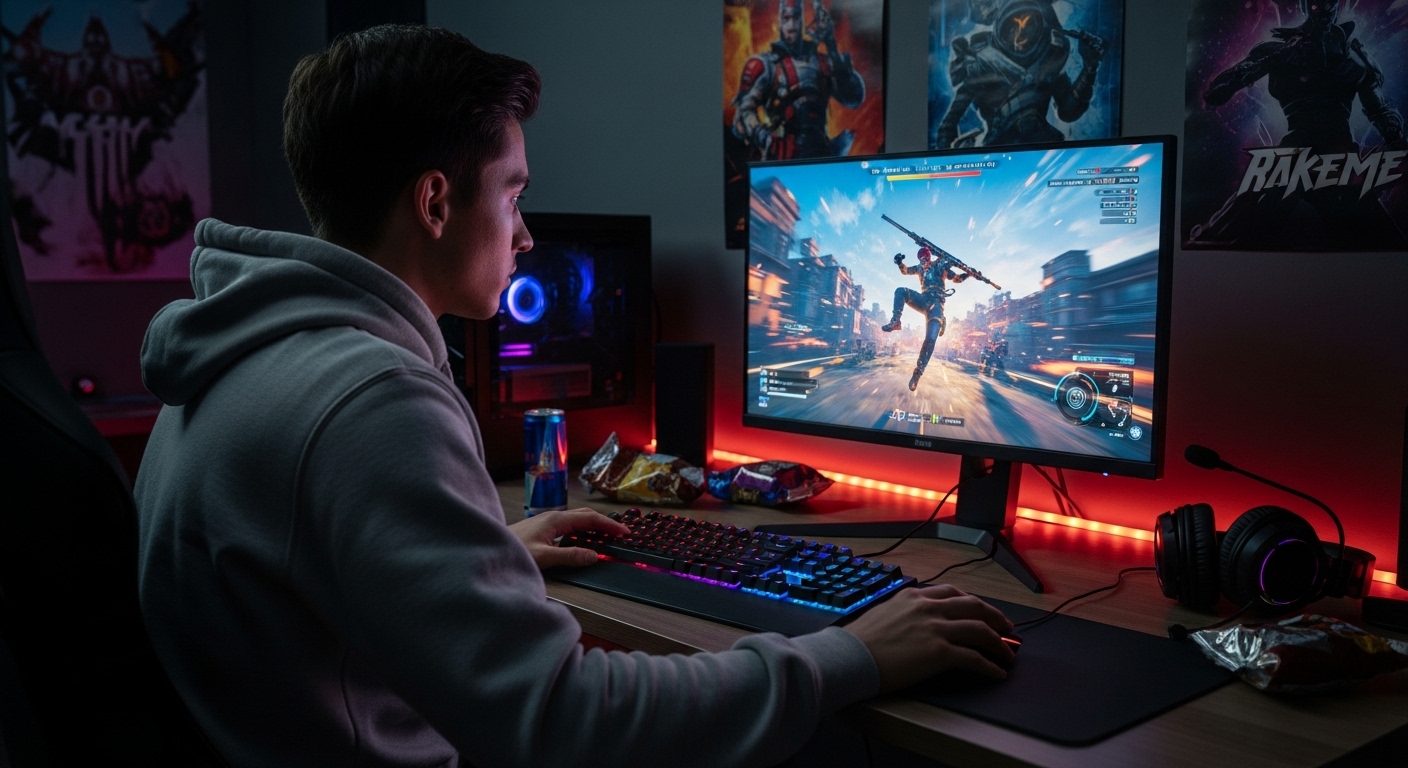
This was also the period when multiplayer gaming began to evolve. Local split-screen modes on consoles and LAN parties on PCs turned gaming into a social event. The joy of sitting next to a friend, sharing snacks, and competing for bragging rights is a memory shared by an entire generation.
The Online Revolution: Connecting the World Through Play
As the new millennium arrived, gaming underwent another massive transformation — the rise of online play. With the spread of broadband internet, players could connect with others across the globe. Games like Counter-Strike, World of Warcraft, and Halo 2 redefined community and competition.
Online gaming broke barriers of geography and culture. Players from different continents could cooperate, compete, and communicate in real-time. Entire friendships — and even relationships — were born in virtual worlds. For many, these games became a second home, a digital space where they felt belonging and purpose.
The rise of online gaming also gave birth to esports, turning competitive gaming into a professional spectacle. What began as small tournaments in internet cafés evolved into massive international events watched by millions. Esports players became celebrities, and gaming became a legitimate career path for those with skill and dedication.
The Art and Storytelling of Modern Games
Modern gaming is as much about storytelling as it is about gameplay. Today’s games rival movies and novels in narrative depth, emotional complexity, and artistic vision. Titles such as The Last of Us, Red Dead Redemption 2, and God of War are masterpieces of storytelling, exploring themes of love, loss, morality, and survival.
Developers now treat games as interactive experiences that allow players to shape the story through their actions. Choices matter, and every decision can lead to different outcomes. This sense of agency gives games a unique emotional power — players do not just watch a story unfold; they live it.
Moreover, gaming has become a canvas for visual and musical artistry. The stunning landscapes, orchestral soundtracks, and lifelike animations of modern games rival the greatest achievements in cinema. Every frame is crafted with care, every sound designed to evoke emotion.
The Explosion of Indie Games and Creative Freedom
While massive studios dominate headlines, independent developers have quietly reshaped the gaming landscape. The rise of digital distribution platforms allowed small teams — sometimes even single individuals — to create and publish games without needing a major publisher.
Indie games prioritize creativity and experimentation over commercial formulas. Titles like Minecraft, Undertale, Stardew Valley, and Hollow Knight have proven that passion and innovation can rival big budgets. These games often tell deeply personal stories or explore new forms of gameplay that mainstream developers might shy away from.
Indie developers remind the world that gaming is not just about graphics or scale — it’s about emotion, expression, and connection. They take risks, challenge conventions, and push the boundaries of what gaming can mean.
The Rise of Mobile and Casual Gaming
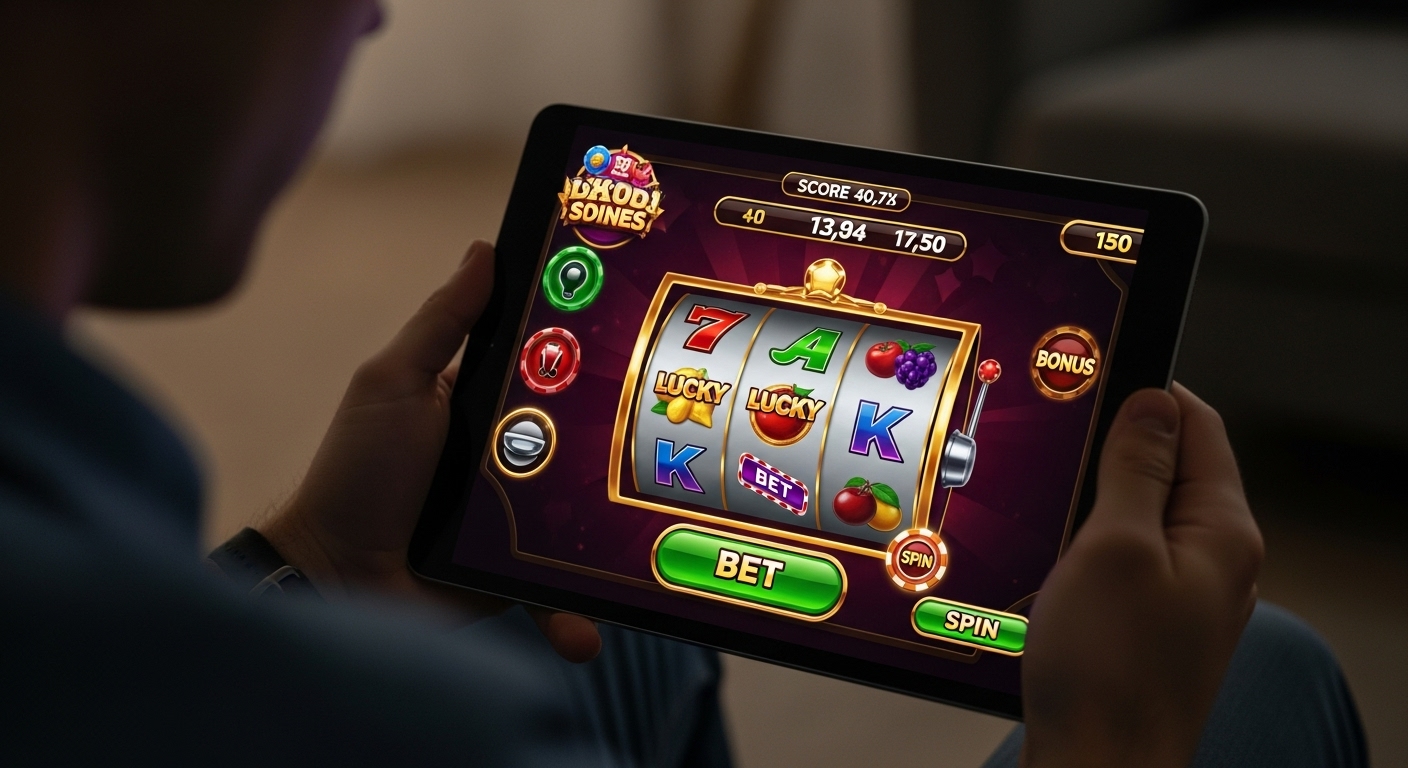
The advent of smartphones brought gaming into everyone’s hands. Suddenly, you didn’t need a console or PC to play — a small device in your pocket could host entire worlds. Games like Angry Birds, Candy Crush, and Clash of Clans reached audiences who had never considered themselves “gamers.”
Mobile gaming democratized play. It blurred the lines between casual and hardcore gamers and made gaming part of daily life for billions. Waiting at a bus stop, sitting in a café, or taking a break at work — these small moments became opportunities for play.
Though often dismissed by traditional gamers, mobile games have had a profound cultural and economic impact. They introduced game mechanics and design ideas that even console developers began to adopt. The simplicity of mobile gaming proved that accessibility and fun matter just as much as complexity and power.
Gaming Communities and the Power of Connection
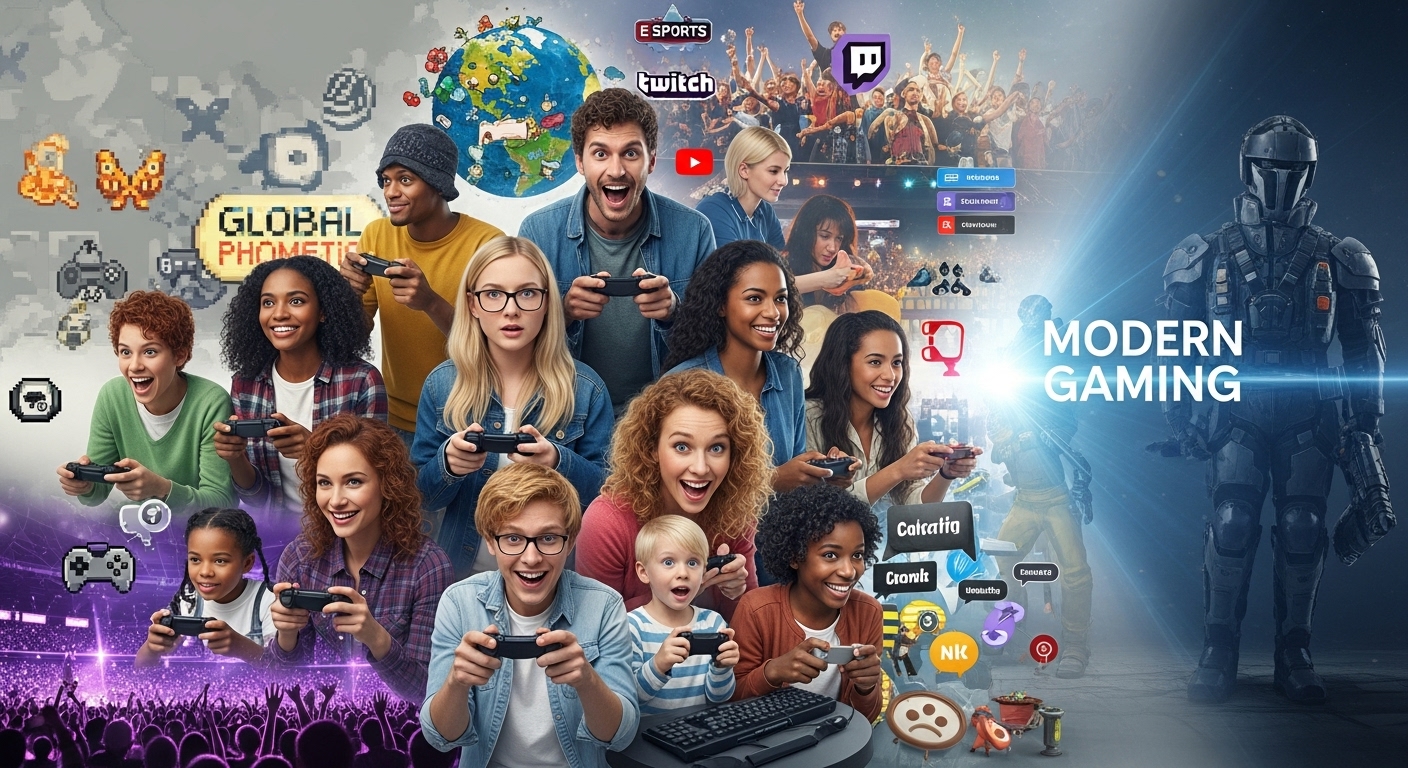
Beyond the pixels and code, gaming is fundamentally about people. Online communities have become a vital part of gaming culture, providing spaces for players to share strategies, art, stories, and friendships.
Streaming platforms allow gamers to broadcast their experiences to global audiences. Streamers and content creators have turned gaming into a shared cultural event, where personality and passion create communities as strong as any fandom. Viewers don’t just watch; they interact, participate, and contribute to the stories being told live.
Communities also play a major role in keeping older games alive. Fan-made mods, custom servers, and community projects extend the life of games far beyond their initial release. In this sense, gaming is one of the few art forms that truly belongs to its audience.
The Psychology of Gaming: Why We Play
Gaming is more than entertainment — it fulfills deep psychological needs. It offers challenge and reward, providing a sense of accomplishment that is immediate and satisfying. It offers escape, allowing players to step into worlds free from the stresses of real life.
For many, games provide social connection and emotional healing. Cooperative play can strengthen friendships, while single-player adventures can offer reflection and catharsis. Games allow players to explore identities, face fears, and test limits in safe, imaginative environments.
Research has even shown that gaming can enhance cognitive skills such as problem-solving, spatial awareness, and multitasking. Far from being a waste of time, gaming can be a tool for growth, empathy, and learning when experienced in balance.
The Business of Gaming: A Billion-Dollar Industry
The gaming industry has surpassed both film and music combined in annual revenue, becoming a global powerhouse. From massive console releases to mobile hits, gaming drives innovation in technology, marketing, and entertainment.
Major publishers invest hundreds of millions into blockbuster titles, employing teams of artists, writers, musicians, and programmers. Meanwhile, independent developers continue to thrive with creativity and agility. This balance between commercial and creative forces keeps the industry vibrant and ever-changing.
Streaming, merchandise, esports sponsorships, and digital marketplaces have created entire economies around games. Players no longer just buy games — they live within them, supporting creators through in-game purchases, subscriptions, and events.
The Role of Technology: Engines of Imagination
Every technological leap has reshaped gaming. Graphics engines now render photorealistic environments in real time, and sound design immerses players in lifelike worlds. Artificial intelligence makes enemies smarter and allies more responsive.
The rise of virtual reality and augmented reality has brought a new dimension to gaming. With VR headsets, players can step directly into their favorite universes, turning movement and gesture into gameplay. AR overlays the digital onto the real, blending worlds in fascinating ways.
Cloud gaming is also changing accessibility. With powerful servers doing the heavy lifting, even modest devices can play high-end games via streaming. This could make gaming more inclusive than ever, removing the need for expensive hardware.
Representation and Inclusion in Gaming
As gaming reaches more people, representation has become an essential conversation. Players come from all walks of life, and they deserve to see themselves reflected in the stories they play. Developers are increasingly aware of the importance of diversity in characters, themes, and storytelling.
Games today feature protagonists of different genders, cultures, and backgrounds, challenging old stereotypes. This shift not only broadens appeal but also deepens the art form, allowing players to experience new perspectives and empathize with others.
Representation also extends to accessibility. Developers are creating more inclusive options for players with disabilities, ensuring that everyone can participate and enjoy gaming equally. This movement toward inclusivity marks a vital step in gaming’s maturation as a cultural medium.
Gaming as an Art Form
There was once a time when people questioned whether games could be art. That debate feels long settled now. Games combine visuals, sound, writing, and interactivity — a synthesis of artistic disciplines that few other mediums can match.
From the haunting beauty of Journey to the emotional gravity of Life is Strange, games evoke feelings that linger long after the screen goes dark. They can be poetic, philosophical, and deeply personal. The artistry of level design, the elegance of animation, and the intimacy of narrative all merge to form something uniquely immersive.
Gaming is not passive consumption; it’s co-creation. Every player becomes part of the artistic expression through their choices and actions. This interactivity makes gaming the most participatory art form of all.
The Future of Gaming: Where Imagination Meets Technology
The future of gaming holds limitless potential. Artificial intelligence could generate living worlds that evolve and respond dynamically to player behavior. Virtual reality could become indistinguishable from physical reality, offering new ways to learn, work, and socialize.
Cross-platform play and global connectivity will continue to unify players, breaking down walls between devices and ecosystems. Meanwhile, narrative design will grow more sophisticated, creating stories that adapt to players’ personalities and decisions.
Gaming could also play a transformative role beyond entertainment — in education, therapy, and even social change. Serious games already teach history, language, and empathy. As technology advances, the line between play and purpose will continue to blur.
Conclusion: The Endless Game
From the pixelated screens of the past to the breathtaking realism of today, gaming has evolved into something extraordinary. It has grown with its audience, reflecting our hopes, fears, and imaginations. It has given birth to communities, careers, friendships, and even movements.
Gaming is not merely an escape — it is an expression of human creativity and connection. It allows us to dream, to explore, to compete, and to collaborate. It mirrors life itself, complete with its triumphs and challenges.
The beauty of gaming lies in its endless potential. There is always another story to experience, another world to discover, another challenge to overcome. And as long as people continue to play, create, and imagine, the world of gaming will never stop evolving.