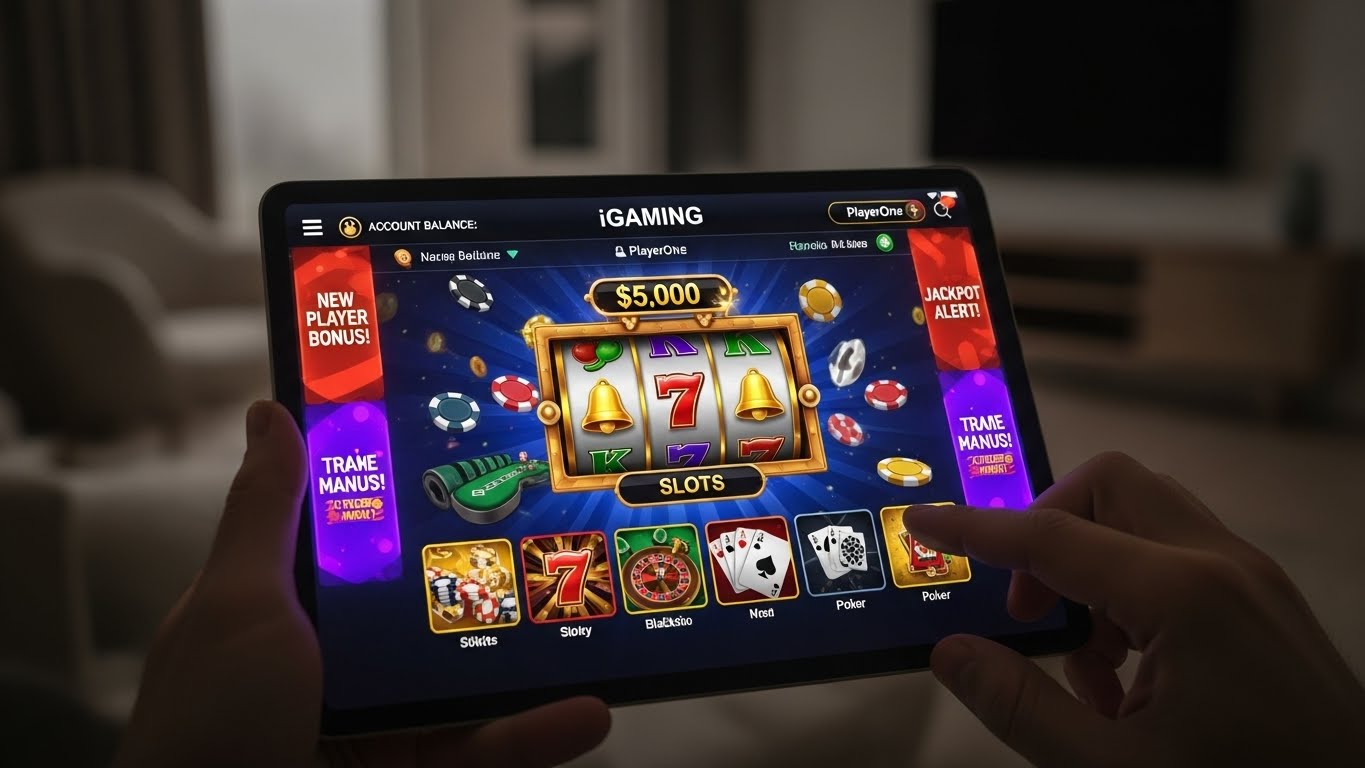
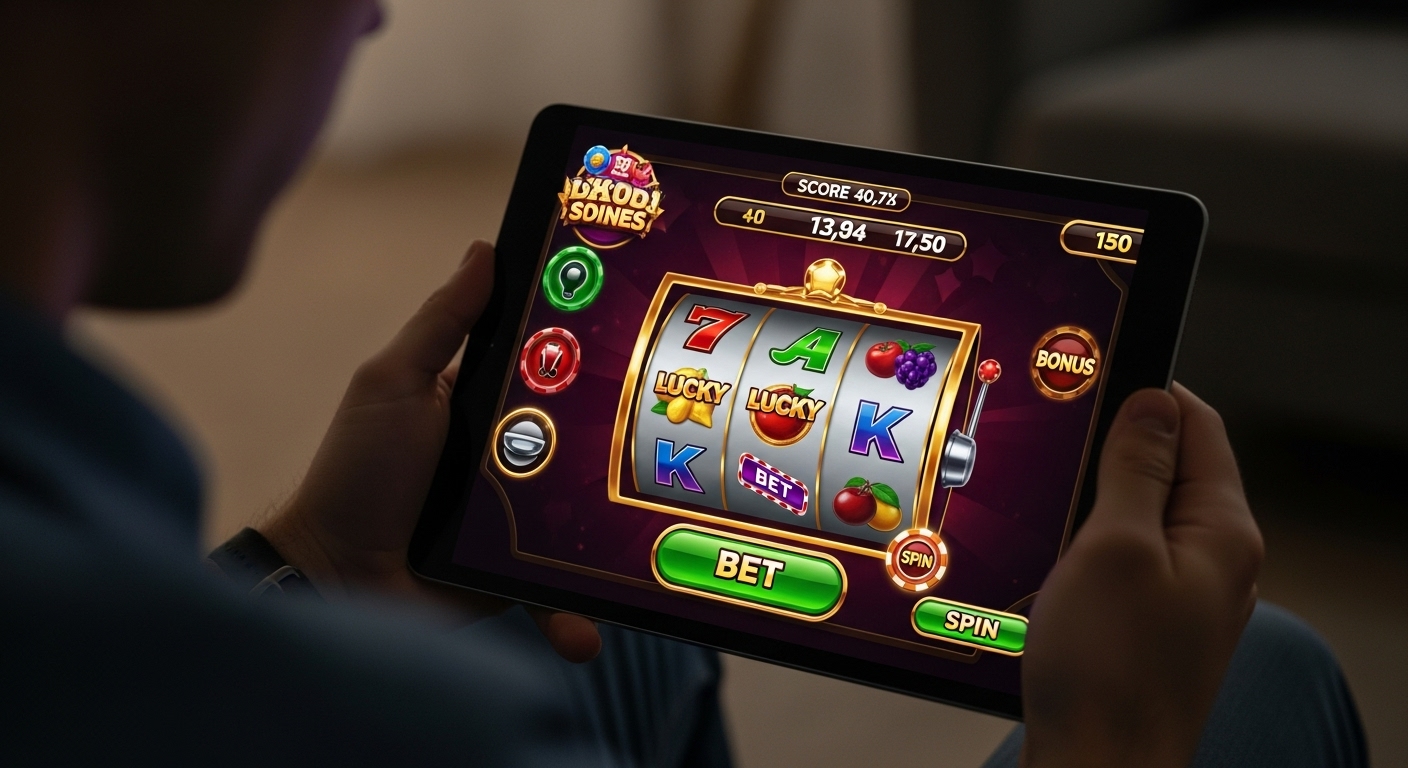
In the ever-evolving landscape of digital entertainment, few industries have experienced growth and transformation as rapidly as iGaming. What once began as simple digital adaptations of traditional casino games has now blossomed into a global phenomenon that touches nearly every corner of the online entertainment world. From mobile gaming to live dealer experiences and esports betting, iGaming has become an integral part of how millions of people interact with technology, fun, and even community. But what exactly is fueling this rise, and can we truly consider iGaming the new frontier of digital entertainment? Let’s dive deep into this fascinating topic.
The Evolution of iGaming: From Simple Beginnings to Global Powerhouse
The term “iGaming” encompasses a vast array of digital betting and gambling activities. In its early days, the concept was relatively straightforward. During the mid-1990s, with the rise of the internet, the first online casinos began to appear. These platforms offered basic versions of popular casino games such as blackjack, roulette, and slot machines. The graphics were rudimentary, and the user experience was limited by slow internet connections and primitive web interfaces.
However, even in those early days, iGaming hinted at something revolutionary. It offered a way for players to experience the thrill of gambling without having to visit a physical casino. This convenience, paired with the growing accessibility of personal computers, gave birth to an entirely new segment of the entertainment industry.
Fast forward to the 2020s, and the transformation is nothing short of remarkable. Today’s iGaming industry is driven by cutting-edge technology—artificial intelligence, virtual reality, blockchain, and data analytics are shaping immersive, secure, and highly personalized gaming experiences. The journey from dial-up connections to 5G-powered mobile gaming has fundamentally redefined what it means to play and win in the digital age.
Understanding the Scope of iGaming
When people hear the term “iGaming,” they often think only of online casinos. But in truth, the sector is much broader. It includes:
- Online Casinos: Digital platforms offering traditional casino games such as poker, blackjack, slots, and roulette.
- Sports Betting: Wagering on the outcomes of real-world sports events, now increasingly enhanced by live streaming and real-time data.
- Esports Betting: A rapidly growing category where players and fans bet on competitive video gaming tournaments.
- Fantasy Sports: Games where participants draft virtual teams of real athletes and compete based on their actual performance statistics.
- Lottery and Bingo Games: Online adaptations of popular chance-based games, which now feature global participation.
The diversity of offerings is one of iGaming’s greatest strengths. Unlike traditional entertainment, which often targets a specific demographic or interest group, iGaming caters to a wide audience—casual gamers, serious gamblers, sports enthusiasts, and tech-savvy users alike.
The Technological Backbone Behind iGaming’s Growth
Technology is the heartbeat of iGaming’s evolution. Without it, the industry simply would not exist in its current form. Several key innovations have driven its expansion:
1. Mobile Gaming Revolution
The introduction of smartphones and mobile apps transformed iGaming from a niche online activity into a mainstream pastime. Players no longer need to sit at their computers; they can access games, place bets, or spin a roulette wheel anytime and anywhere. The convenience of mobile gaming has not only expanded the player base but also fostered a culture of on-the-go entertainment.
2. Artificial Intelligence and Personalization
AI has introduced a new era of intelligent gaming. Platforms now analyze player behavior to recommend games, predict preferences, and even promote responsible gambling. AI-driven chatbots provide instant customer support, while machine learning algorithms help detect fraudulent activity and improve user security.
3. Live Dealer and Real-Time Streaming
One of the most groundbreaking innovations in iGaming has been the integration of live dealer games. Through high-definition streaming and real-time interaction, players can engage with human dealers just like in a physical casino. This hybrid experience combines the authenticity of real-world gambling with the accessibility of digital platforms.
4. Blockchain and Cryptocurrency
Blockchain technology has become a cornerstone of transparency and fairness in iGaming. Smart contracts ensure that payouts are accurate and tamper-proof, while cryptocurrencies like Bitcoin and Ethereum allow for instant, secure, and anonymous transactions. Many players are drawn to iGaming platforms specifically because of the trust and flexibility that blockchain offers.
5. Virtual and Augmented Reality
Virtual Reality (VR) and Augmented Reality (AR) are redefining immersion. Imagine walking through a virtual casino, interacting with other players, and sitting at a digital poker table—all from the comfort of your home. These technologies blur the line between digital and physical worlds, offering experiences that are both realistic and futuristic.
The Role of Data in Shaping the Player Experience
In today’s digital economy, data is everything, and iGaming is no exception. Every click, spin, and bet generates valuable insights that companies can use to enhance the user experience.
Data analytics helps operators understand what players enjoy most, which games drive engagement, and how to tailor bonuses or promotions. More importantly, it also plays a critical role in promoting responsible gaming. Advanced algorithms can identify problematic patterns, such as excessive betting or compulsive behavior, allowing operators to intervene and protect players before issues escalate.
This balance between personalization and protection demonstrates how far iGaming has come—not just as a form of entertainment but as an ethically aware industry committed to sustainability and player well-being.
The Globalization of iGaming
One of the most fascinating aspects of iGaming is its global reach. The industry transcends borders, languages, and cultures. Whether you are in Europe, Asia, Africa, or the Americas, chances are there is an iGaming community thriving nearby.
In countries like the United Kingdom, Malta, and Gibraltar, iGaming is a major contributor to the economy. Strict regulations and licensing frameworks ensure fairness, transparency, and player protection. Meanwhile, in regions such as Asia and Latin America, the industry is expanding rapidly thanks to rising internet penetration and mobile adoption.
This globalization has created a vibrant ecosystem of developers, marketers, affiliates, and content creators. It’s not just about gambling—it’s about culture, innovation, and connection. Players from different continents can now compete in tournaments, join loyalty programs, and share strategies, all within the same digital space.
The Rise of Esports and Its Integration with iGaming
Esports—organized, competitive video gaming—has grown from niche hobby to billion-dollar industry. Titles like Dota 2, League of Legends, and Counter-Strike: Global Offensive attract massive global audiences, and iGaming has naturally found a way to merge with this phenomenon.
Esports betting has emerged as a new frontier within the iGaming ecosystem. Fans can now wager on their favorite teams, predict match outcomes, or participate in fantasy leagues. Unlike traditional sports betting, esports brings a younger, tech-oriented audience that thrives on digital engagement.
This fusion of gaming and gambling reflects the broader cultural shift toward interactive entertainment. iGaming isn’t just about winning money; it’s about community, competition, and shared experiences.
Regulation and Responsible Gaming
As with any industry involving monetary transactions, regulation plays a critical role in maintaining integrity and trust. Over the years, governments and independent organizations have introduced stringent rules to ensure fair play, transparency, and player protection.
Regulators require iGaming operators to implement measures such as age verification, anti-money-laundering checks, and data privacy safeguards. More importantly, responsible gaming initiatives aim to protect players from addiction and financial harm. Tools like deposit limits, self-exclusion programs, and time reminders help maintain a healthy gaming balance.
The future of iGaming regulation will likely focus on harmonization—creating unified standards across countries to simplify compliance and enhance player safety globally.
iGaming’s Impact on Traditional Casinos and Entertainment
The rise of iGaming has undoubtedly disrupted traditional brick-and-mortar casinos. However, rather than replacing them, iGaming has created new opportunities for collaboration and hybrid experiences.
Many physical casinos now offer online platforms that allow customers to transition seamlessly between real-world and digital play. These omni-channel strategies ensure that the brand remains relevant to both older patrons and younger, tech-savvy audiences.
Similarly, the entertainment value of iGaming has expanded beyond gambling. Game developers now focus heavily on storytelling, design, and interactivity, turning casino games into cinematic experiences. This approach attracts casual gamers who seek excitement and visual engagement rather than just monetary rewards.
Economic Contributions and Job Creation
The economic footprint of iGaming is enormous. Beyond player spending, the industry supports a wide range of ancillary services—software development, customer support, marketing, data analysis, cybersecurity, and payment processing.
Countries that embrace iGaming as a regulated sector benefit from increased tax revenue, job creation, and foreign investment. Cities like Valletta, London, and Dublin have become hubs for iGaming innovation, hosting global conferences and training programs that attract talent from around the world.
The ripple effect of iGaming’s growth extends into fintech, digital advertising, and cloud computing, reinforcing its role as a catalyst for broader technological advancement.
The Future of iGaming: Trends Shaping the Next Decade
As we look toward the future, several trends are likely to define the next chapter of iGaming:
- Immersive Virtual Worlds: With the advancement of VR and AR, the next generation of iGaming platforms will offer truly lifelike experiences. Players will explore virtual casinos, socialize with avatars, and compete in real-time tournaments.
- Cross-Platform Integration: Seamless transitions between desktop, mobile, and wearable devices will make gaming more accessible than ever.
- Sustainable and Ethical Gaming: Expect stronger emphasis on responsible gambling, eco-friendly data centers, and fair labor practices in the supply chain.
- Gamification Beyond Gambling: The mechanics of iGaming—points, rewards, challenges—will influence education, fitness, and even corporate training, blending entertainment with personal development.
- AI-Driven Predictive Systems: Machine learning will continue to refine personalization, offering real-time insights and customized gaming journeys for every user.
The future of iGaming will not just be about playing games—it will be about living within a digital entertainment universe that combines risk, reward, creativity, and connection.
Final Thoughts: A New Era of Digital Entertainment
So, is iGaming the new frontier of digital entertainment? The answer is a resounding yes. It represents the convergence of technology, human psychology, and social interaction in a way that few other industries can match.
What makes iGaming truly revolutionary is not just its economic success or technological sophistication, but its ability to evolve. It adapts constantly—absorbing trends from gaming, entertainment, and finance—to create an experience that is both thrilling and inclusive.
As we move deeper into the digital age, iGaming stands as a testament to how entertainment can transform when innovation meets engagement. It’s more than just gambling; it’s a cultural movement, a technological marvel, and perhaps the most exciting frontier in modern digital life.