Introduction to the New Era of iGaming
The world of digital entertainment has undergone a remarkable transformation over the past decade, and at the forefront of that evolution stands iGaming. Once a niche category of online play, iGaming has expanded into a global powerhouse that influences technology, entertainment, finance, and culture. Today, millions of players around the world engage daily with online casinos, sports betting platforms, virtual poker rooms, and interactive lottery systems. What sets modern iGaming apart is not simply the transition of traditional gaming to digital platforms but the innovation, immersion, and personalization it offers.
As mobile devices have become more powerful and accessible, and as internet connections have grown faster and more reliable, iGaming has become less of a convenience and more of a mainstream form of entertainment. This blog explores how iGaming has evolved, the features that attract players, the technologies driving it forward, and what its future might look like as digital boundaries continue to expand.
The Rapid Evolution of Online Gaming Entertainment
When the first online casinos appeared in the mid-1990s, the experience they offered was basic. Limited graphics, slow loading times, and narrow game selections meant the platforms were interesting but far from revolutionary. Fast forward to the present, and the landscape looks completely different. Today’s iGaming sites rival the sophistication of video games, offering high-resolution visuals, cinematic sound design, and gameplay features that keep players immersed.
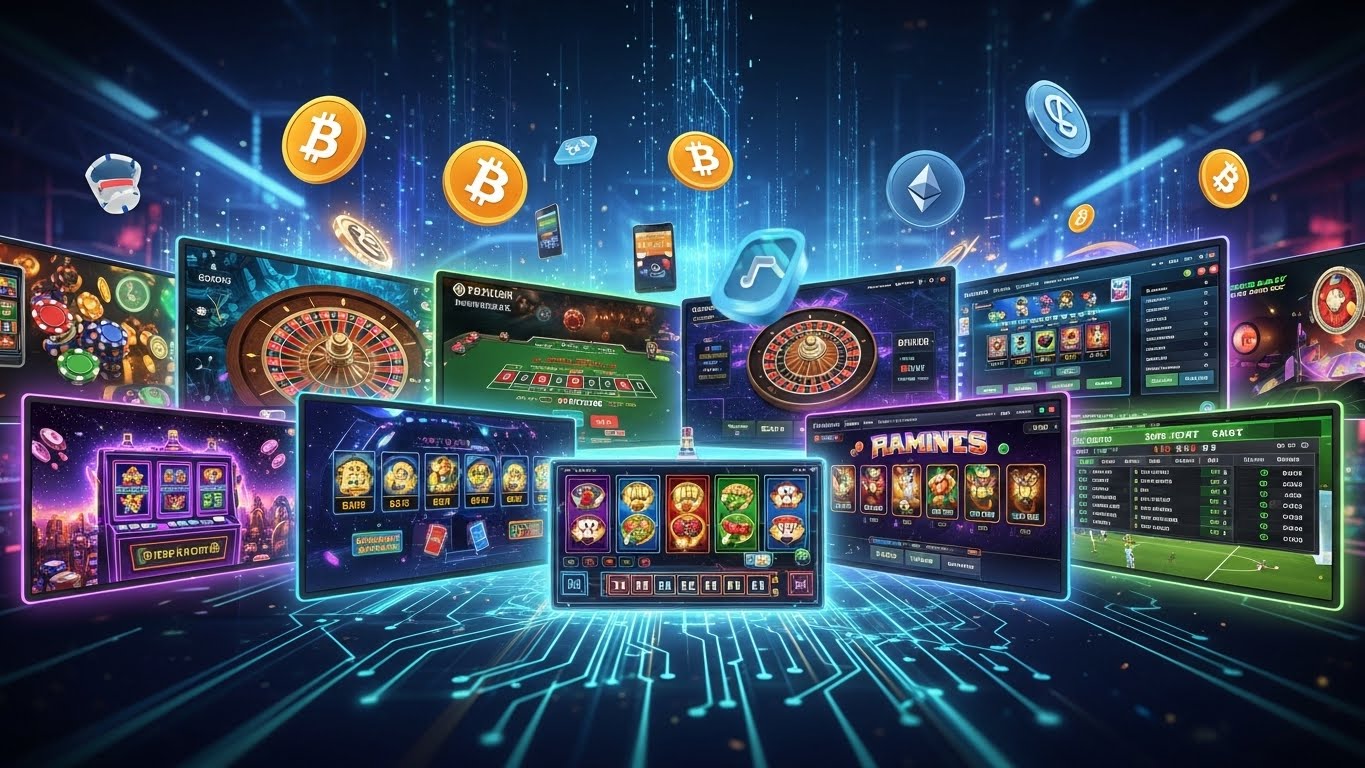
The evolution has been driven by several key factors. Software developers have invested heavily in creating digital environments that mirror the atmosphere of real gaming venues while giving players the convenience of at-home play. Payment systems have diversified, providing users with secure and fast ways to deposit and withdraw. Mobile optimization has allowed games to be played from virtually anywhere. Social elements, such as live chat and multiplayer modes, have added interaction and community to the experience.
This consistent innovation is the reason iGaming is one of the fastest-growing sectors in the digital entertainment industry. It continues to draw in both long-time fans and newcomers who are intrigued by the mix of technology, strategy, and entertainment.
Why Players Are Drawn to iGaming Experiences
One of the main reasons iGaming has seen explosive popularity is its ability to cater to a wide range of player preferences. Some players enjoy the thrill of fast-paced casino games. Others find comfort in strategic challenges such as poker or fantasy sports. Many appreciate the social aspect of live dealer games, where real dealers host games in real time through high-definition streaming.
Convenience also plays a significant role. Unlike traditional gaming environments that require travel and time commitments, iGaming platforms can be accessed any time, day or night. The ability to play for short or extended sessions provides flexibility for users with different lifestyles. The variety of content available is another major draw. From themed slot games inspired by mythology and adventure to real-time sports analytics for bettors, there is something for every type of player.
Another appeal is the personalized nature of modern gaming platforms. Algorithms track user preferences and recommend games or experiences that match their interests. This personalized approach makes players feel understood and enhances engagement.
The Role of Technology in Transforming iGaming
Technology is the foundation of modern iGaming, and several innovations have played crucial roles in shaping the present landscape.
Mobile Gaming and Accessibility
Mobile technology has had the most significant impact on iGaming growth. Smartphones and tablets now serve as portable gaming hubs, giving players instant access to thousands of games. Modern apps and mobile-optimized websites ensure smooth performance, intuitive interfaces, and secure transactions. The shift toward mobile play has become so strong that many developers now design games primarily for mobile environments.
Live Dealer Technology and Real-Time Interaction
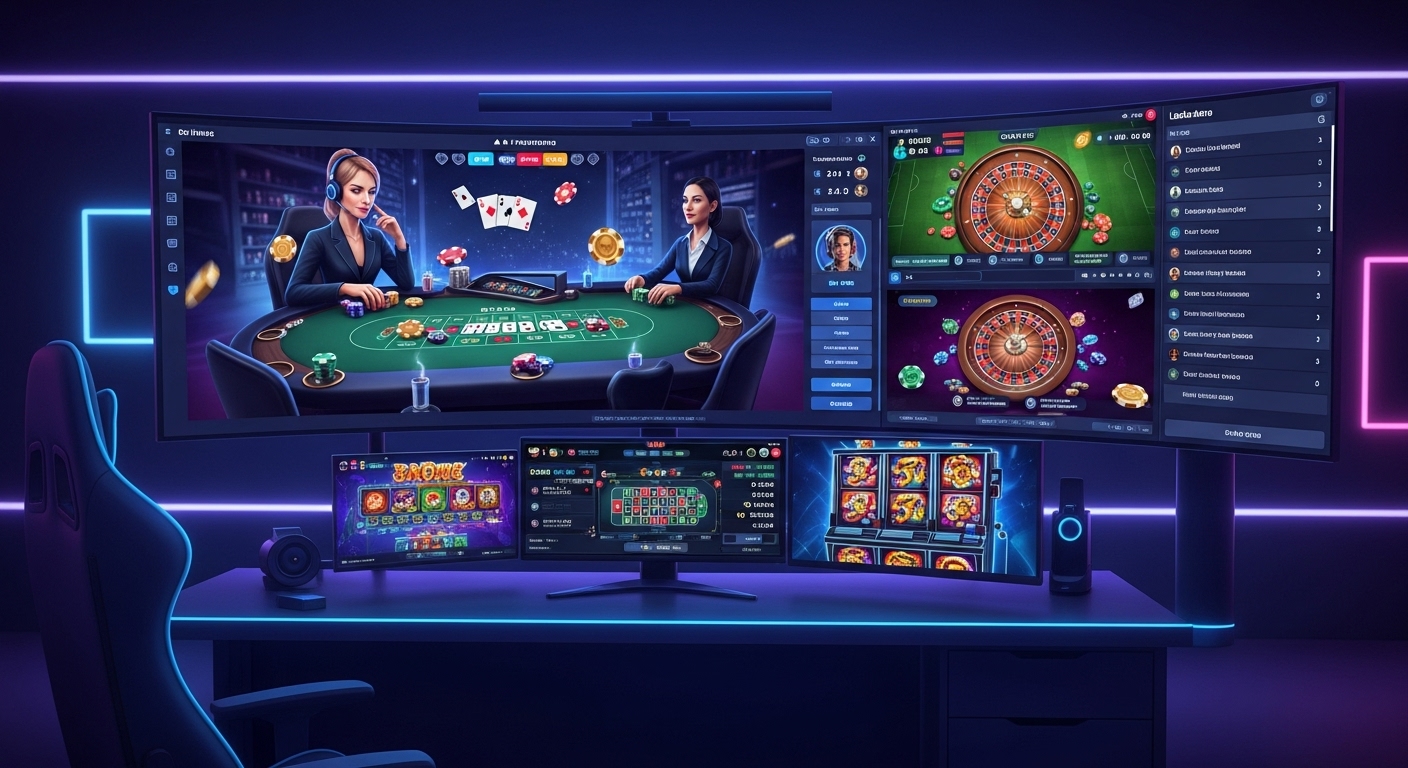
One of the most impressive advancements is the introduction of live dealer games. These games use high-quality video streaming to broadcast real human dealers managing tables. Players can watch every card dealt or wheel spun while communicating with the dealer through a chat interface. This blend of digital convenience and real-world authenticity has made live games one of the most popular features in the industry.
Virtual Reality and Immersive Gameplay
Although still emerging, virtual reality is paving the way for a more immersive iGaming experience. VR casinos allow players to step into virtual worlds, interact with objects, and engage with other players in 3D spaces. As hardware becomes more affordable and VR environments become more polished, this technology is poised to become a dominant force in the future.
Artificial Intelligence and Personalization
AI is used throughout iGaming platforms to provide better user experiences. This includes analyzing player behavior to offer customized game suggestions, improving customer support through intelligent chat systems, and detecting unusual activity to enhance security. AI ensures that platforms remain user-friendly, safe, and engaging.
Security, Fairness, and Trust in iGaming
With the growth of online gaming comes the need for strong security and fair play. Reputable iGaming platforms invest heavily in encryption technologies to protect user data and financial transactions. Random number generators are used to ensure outcomes of games like slots or roulette are fair and unpredictable.
Regulations also play an important role. Many regions require gaming operators to meet strict standards of transparency, player protection, and responsible advertising. These regulations reassure players that they are engaging with trustworthy platforms that value their safety.
Additionally, responsible gaming tools have become a priority. Features such as spending limits, activity monitoring, self-exclusion options, and reminder alerts help players maintain control of their gaming habits. These tools reflect the industry’s shift toward safety and well-being.
The Social Dimension of Modern iGaming
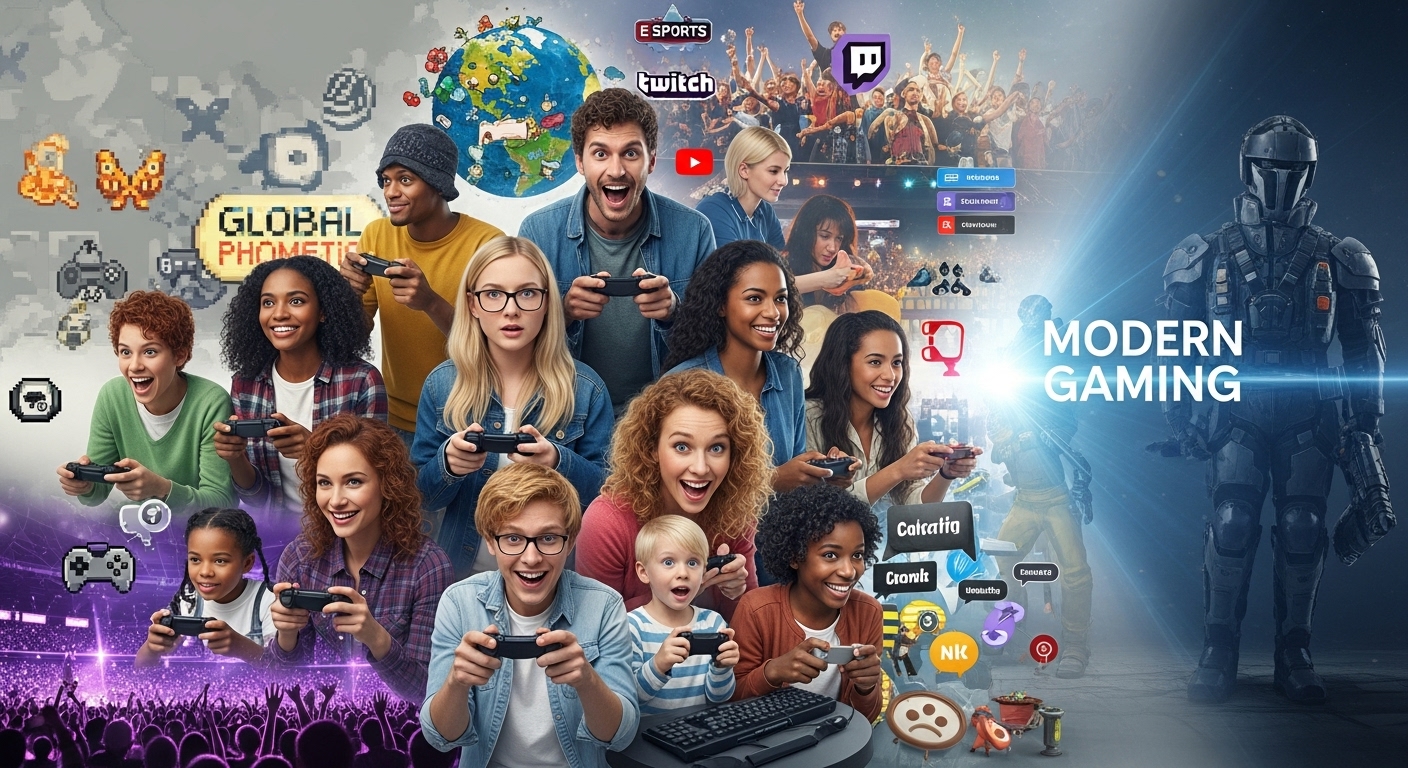
Contrary to the stereotype that online gaming is an isolated activity, iGaming has become increasingly social. Live chat features allow players to interact with each other and with live dealers. Multiplayer games encourage teamwork and friendly competition. Social tournaments bring communities together for shared challenges and events.
Community-focused features help create a loyal player base. Many platforms use leaderboards, achievements, and progress tracking to make the experience feel rewarding beyond just the gameplay itself. These elements contribute to a sense of belonging, turning iGaming into a social pastime rather than a solo activity.
The Growing Influence of Esports and Competitive Gaming
The rise of esports has had a noticeable impact on the iGaming landscape. Competitive gaming has become a global phenomenon, with professional players, tournaments, and massive online audiences.
Esports betting has grown alongside this popularity. Many players enjoy predicting outcomes of competitive matches, whether involving strategy games, shooters, or sports simulations. This growing connection between esports and iGaming reflects the blending of entertainment genres and the expanding definition of what modern gaming includes.
Economic Impact and Industry Growth
The economic impact of iGaming extends far beyond entertainment. It has created thousands of jobs in software development, cybersecurity, marketing, customer service, and live hosting. Technology companies continue to innovate to keep up with demand, fueling growth in related industries.
Governments in various regions have implemented regulatory frameworks to encourage safe and legitimate operation, resulting in significant tax revenues. As the industry continues to expand, its influence on global digital economies becomes more pronounced.
What the Future Holds for iGaming
The future of iGaming is filled with exciting possibilities. Technology will continue to push boundaries, making games more immersive and interactive. Virtual reality and augmented reality may merge physical and digital gaming environments. Artificial intelligence will offer even more personalized experiences, while advancements in payment technologies will enhance security and convenience.
As player expectations evolve, the industry will continue adapting. We can anticipate more sophisticated storytelling within games, greater focus on community-driven experiences, and deeper integration of gaming with other digital entertainment sectors.
Conclusion: A Digital Universe Full of Opportunity
iGaming has come a long way from its humble beginnings. What was once a simple version of traditional gaming has evolved into a dynamic, multi-layered digital universe. It combines cutting-edge technology, interactive entertainment, and user-centered design to create an experience that appeals to a new generation of players.
As innovations continue and the world becomes increasingly digital, iGaming is positioned not only to grow but to shape the future of entertainment. It stands as a testament to how technology can transform familiar experiences into something exciting, accessible, and endlessly evolving.