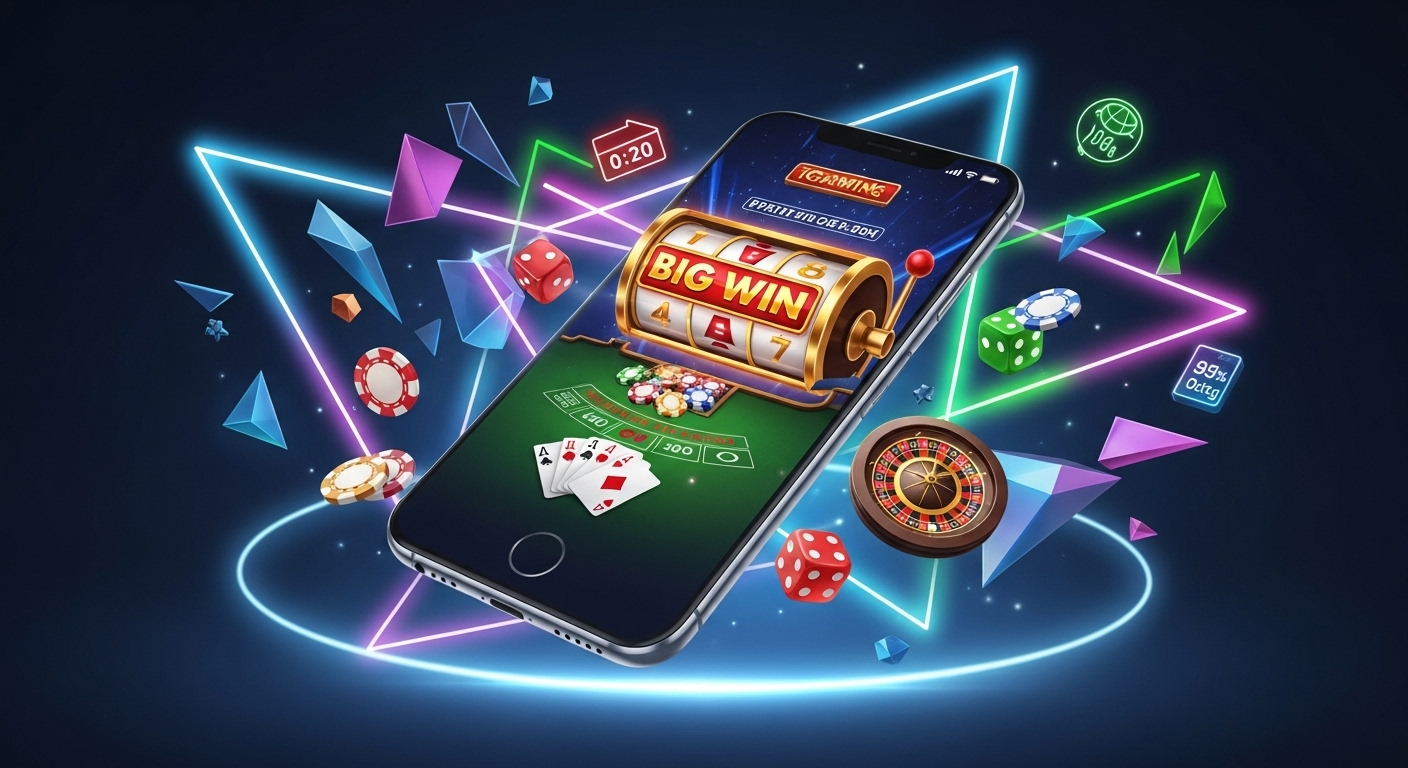

iGaming has seen a meteoric rise over the last few decades. Once confined to land-based casinos and physical betting shops, gambling has found a new, dynamic home in the digital realm. With the advent of the internet and mobile technology, iGaming has revolutionized how people engage with games of chance, turning it into a global entertainment phenomenon. But the rise of online casinos, sports betting platforms, and virtual gaming has transformed much more than just how people gamble—it has reshaped the entire entertainment industry, with technology at its heart.
This blog explores the growth of iGaming, the technological advancements behind it, and its broad impact on society, entertainment, and the economy.
What is iGaming?
iGaming, short for “internet gaming,” refers to the online gambling industry, encompassing a wide range of virtual gaming platforms and activities. From online poker and virtual slot machines to live-dealer casino games and sports betting, iGaming has become a diverse ecosystem that thrives in the digital age. Unlike traditional gambling, where players visit physical venues like casinos or racetracks, iGaming offers a convenient and easily accessible alternative that can be enjoyed from anywhere, at any time, as long as there’s an internet connection.
The appeal of iGaming lies in its accessibility, convenience, and variety. Players can engage in a wide variety of games and betting activities on their desktops or mobile devices. This digital shift has opened up the gambling world to a broader demographic, bringing new participants into the fold and attracting younger, tech-savvy generations who might have otherwise steered clear of traditional casinos.
The Growth and Popularity of iGaming
The rise of iGaming has been nothing short of explosive, with the global market experiencing rapid expansion over the past decade. According to industry reports, the global online gaming market is expected to surpass $100 billion in revenue within the next few years, driven by the increasing popularity of mobile gaming, digital sports betting, and online casinos. This growth has been fueled by several key factors, including technological advancements, the rise of smartphones, and shifts in societal attitudes towards gambling.
One of the most significant drivers of iGaming’s growth has been the proliferation of mobile technology. As smartphones have become ubiquitous, more and more people are able to access iGaming platforms on the go. Mobile apps for online casinos, poker rooms, and sports betting platforms have made gambling more accessible than ever, allowing users to play or place bets whenever they want. This ease of access has created a new generation of gamblers who prefer to play from the comfort of their homes or while traveling, rather than visiting physical casinos.
Moreover, the global reach of iGaming has allowed operators to target new markets. Countries with previously restrictive gambling laws have begun to relax their regulations, paving the way for online gambling platforms to operate legally. As a result, players from various regions, including the United States, Europe, and parts of Asia, have been able to engage in online gaming legally and securely.
The Role of Technology in Shaping iGaming
At the heart of iGaming’s success is the ever-evolving role of technology. Online gaming platforms depend on cutting-edge software and innovative technologies to ensure seamless user experiences, secure transactions, and realistic gaming environments.
One of the most significant technological advancements has been the development of high-quality, realistic 3D graphics and immersive game design. Whether it’s the flashy reels of a virtual slot machine or the lifelike dealers in live casino games, the visual appeal of iGaming has come a long way. Game developers use sophisticated software and algorithms to create environments that mimic traditional casinos, all while offering unique features and bonuses to enhance the experience.
Another major factor in iGaming’s success is the use of Random Number Generators (RNGs). These algorithms are used to ensure fair and random outcomes in virtual casino games, such as slots and table games. RNGs are audited and tested by third-party regulators to ensure that they meet the highest standards of fairness and transparency, giving players the confidence that the games they are playing are not rigged.
Live casino games, where players interact with real dealers in real-time through video streaming, have become increasingly popular. These games leverage live-streaming technology, high-definition cameras, and real-time chat functions, creating an experience that mirrors the feel of traditional casinos while offering the convenience of online play.
Virtual reality (VR) and augmented reality (AR) are also poised to play a major role in the future of iGaming. While still in its early stages, VR gaming promises to take online casinos to the next level by offering fully immersive, 360-degree environments where players can interact with games in real time. AR, on the other hand, could bring real-world elements into virtual gaming spaces, creating a hybrid experience where physical and digital worlds collide.
iGaming and Its Impact on the Entertainment Industry
iGaming is not just changing the gambling world; it’s also influencing the broader entertainment industry. For one, many of the technologies that drive iGaming have been adopted by other sectors of entertainment, particularly video games and interactive media. The rise of esports (competitive video gaming) has blurred the line between gaming and gambling, with some platforms offering betting options on esports events, which brings an entirely new layer of entertainment.
The concept of “gamification” has also emerged in the broader entertainment industry. Casinos, for example, have incorporated gamification elements such as loyalty points, tournaments, and challenges to keep players engaged. These elements have been adapted in a variety of industries, from fitness apps to retail rewards programs, making iGaming a precursor to new trends in entertainment and consumer engagement.
Furthermore, iGaming is helping to redefine the way we think about social interaction in entertainment. While traditional casinos and betting shops are physical spaces where socialization happens face-to-face, online gambling platforms have created new opportunities for virtual communities. Players can connect with others through live chat features, multiplayer games, and online poker tables. Some platforms even allow players to join virtual social spaces where they can interact with others in real-time, much like they would in a physical casino or nightclub.
The Regulatory Landscape of iGaming
As iGaming continues to grow, regulatory issues have become increasingly important. Different countries have varying laws regarding online gambling, with some nations embracing it fully and others imposing strict regulations or outright bans. In regions where iGaming is legal, operators must comply with stringent regulations to ensure fairness, consumer protection, and responsible gambling practices.
In jurisdictions where online gambling is regulated, operators are required to obtain licenses and adhere to rules set by gambling commissions. These rules govern everything from advertising practices and payment security to player age verification and responsible gambling measures. Operators are also expected to use encryption technologies to protect player data and ensure that transactions are secure.
Responsible gambling has become a key issue in the iGaming industry, with many platforms offering features to help players set limits on their spending, track their gaming behavior, and seek help if necessary. In some countries, operators are required by law to implement these responsible gambling features, while others have chosen to do so voluntarily in order to maintain consumer trust.
The Future of iGaming
The future of iGaming looks bright, with technology continuing to push the boundaries of what’s possible. Virtual and augmented reality could revolutionize online casinos, turning them into fully immersive, lifelike experiences. Artificial intelligence (AI) is also expected to play a larger role in personalizing the gaming experience, tailoring game recommendations, and providing customer service through chatbots.
Additionally, blockchain technology has the potential to transform the industry by providing a secure, transparent, and decentralized platform for transactions. Cryptocurrency payments are already gaining popularity in iGaming, offering players a faster and more secure method of depositing and withdrawing funds. Blockchain could further increase trust and transparency by ensuring that game results are verifiable and tamper-proof.
As the iGaming market continues to evolve, it’s likely that new forms of entertainment will emerge, blending the lines between gaming, gambling, and interactive media. The fusion of traditional casino games with esports, VR, and social gaming is already creating exciting new possibilities, and as technology advances, the possibilities for iGaming seem limitless.
Conclusion
iGaming has become a powerful force in the entertainment landscape, transforming the way people engage with gambling and games of chance. Thanks to advancements in technology, players can now access a wide variety of gaming options from the comfort of their own homes or on the go. This digital transformation has expanded the reach of iGaming, attracting new players and creating new opportunities for developers and operators alike.
As the industry grows, it will continue to influence other areas of entertainment and push the boundaries of what’s possible in terms of interactivity, immersion, and social connection. The future of iGaming is bright, and with ongoing technological innovations, it will undoubtedly continue to evolve and shape the entertainment landscape for years to come.
In the world of digital entertainment, iGaming represents not just a trend but a lasting change—one that is redefining what it means to play, gamble, and enjoy entertainment in the 21st century.