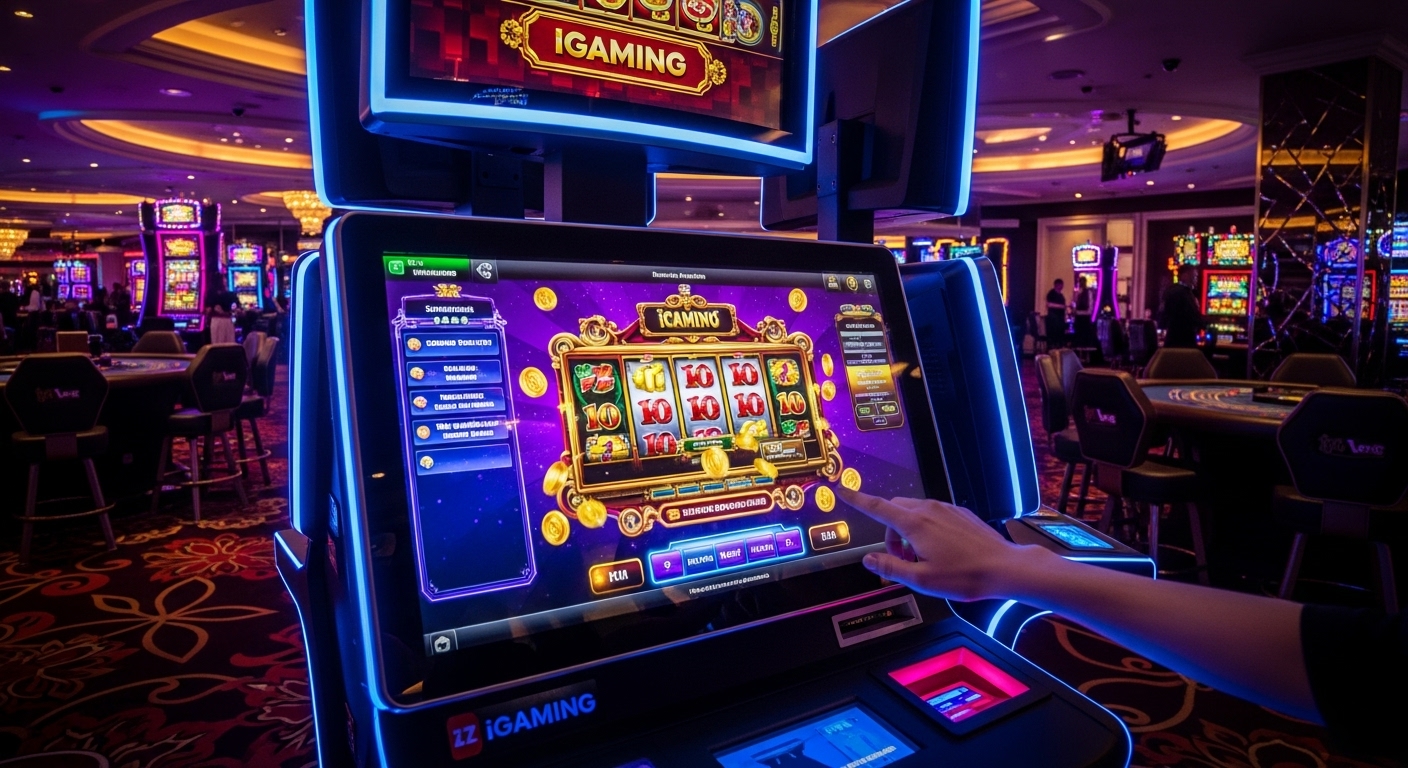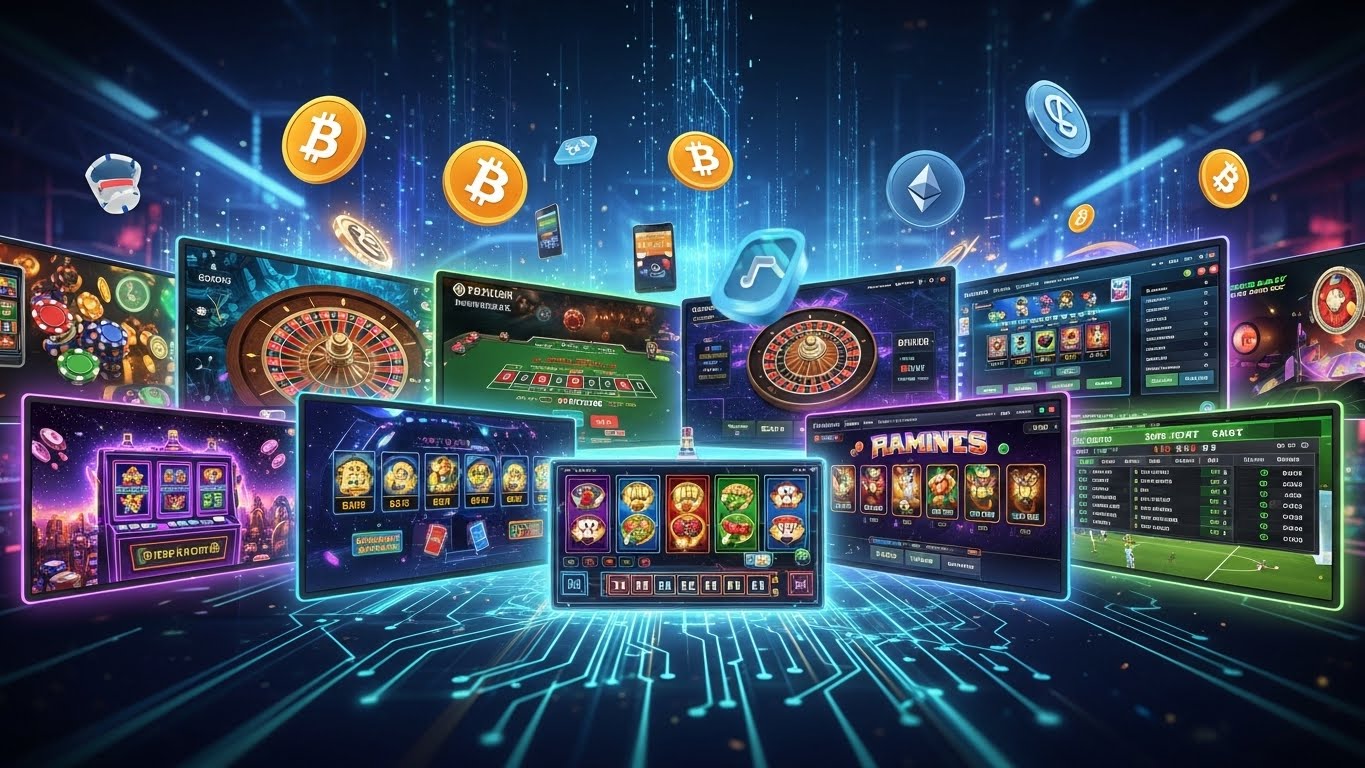

The iGaming industry has rapidly transformed from a niche online pastime into a multi-billion-dollar global sector, captivating millions of players worldwide. From the early days of online poker and casino games to the current era of virtual reality and blockchain-based gaming, iGaming has continually evolved, offering players new experiences, convenience, and opportunities. In this article, we will explore the history, growth, technological innovations, regulations, and future prospects of iGaming, providing a comprehensive understanding of this dynamic industry.
Understanding iGaming
iGaming, or internet gaming, refers to the digital sector of gaming that involves betting, gambling, and interactive entertainment via online platforms. This includes a wide range of activities such as online casinos, poker, sports betting, bingo, lottery, and increasingly, eSports betting. Unlike traditional brick-and-mortar gambling, iGaming offers players the convenience of accessing games from anywhere, at any time, using computers, smartphones, or tablets.
The appeal of iGaming lies not only in accessibility but also in the diversity of games and the integration of technology that enhances the gaming experience. Gamers today can enjoy immersive graphics, live dealer interactions, and personalized experiences that mimic the excitement of physical casinos.
A Brief History of iGaming
The origins of iGaming can be traced back to the mid-1990s when the internet began to gain widespread adoption. The first online casino, launched in 1994, offered a handful of games such as blackjack and roulette. This marked the beginning of a digital revolution in the gambling industry.
Initially, the sector faced skepticism due to concerns over security, fairness, and legality. However, technological advancements in encryption, payment systems, and software development gradually built trust among players and regulatory bodies. By the early 2000s, online poker had become a global phenomenon, with tournaments attracting millions of participants. The proliferation of smartphones in the 2010s further accelerated iGaming growth, allowing players to enjoy their favorite games on the go.
Technological Advancements Driving iGaming
The iGaming industry thrives on innovation, and technology has been the cornerstone of its evolution. Here are some key technological advancements that have shaped the modern iGaming landscape:
1. Mobile Gaming
The rise of smartphones revolutionized iGaming by enabling mobile gaming. Mobile platforms allow players to access casino games, place bets, and participate in tournaments from anywhere. The mobile-first approach has encouraged developers to optimize interfaces for smaller screens, introduce touch-based controls, and enhance graphics and performance for handheld devices.
2. Live Dealer Games
Live dealer games bridge the gap between online and offline gambling by offering real-time interaction with professional dealers via video streaming. Players can play blackjack, roulette, and baccarat in a virtual environment while enjoying the social aspects of a real casino. Live dealer technology combines high-definition cameras, low-latency streaming, and advanced randomization to ensure fair and immersive gameplay.
3. Virtual Reality and Augmented Reality
Virtual reality (VR) and augmented reality (AR) are transforming the iGaming experience. VR casinos allow players to immerse themselves in a fully interactive digital environment, walking around virtual casino floors, interacting with other players, and handling cards or chips. AR applications overlay digital elements on the physical world, enhancing gameplay and offering unique experiences that traditional platforms cannot replicate.
4. Blockchain and Cryptocurrencies
Blockchain technology has introduced transparency, security, and decentralization to iGaming. Cryptocurrencies like Bitcoin and Ethereum enable instant, low-fee transactions and provide players with more privacy. Additionally, blockchain-based platforms utilize smart contracts to automate payouts, verify fairness, and reduce the risk of fraud.
5. Artificial Intelligence and Personalization
Artificial intelligence (AI) is used to enhance player experiences and optimize operations. AI algorithms can personalize game recommendations, predict player preferences, detect problem gambling behavior, and improve customer support through chatbots. AI also powers game development, helping developers design more engaging and challenging gameplay scenarios.
Popular Segments of iGaming
The iGaming industry encompasses a variety of segments, each with its unique appeal and audience. Understanding these segments provides insight into the breadth and diversity of the sector.
1. Online Casinos
Online casinos form the core of iGaming, offering classic casino games such as slots, blackjack, roulette, poker, and baccarat. Modern online casinos are designed to cater to a wide range of players, from beginners to high rollers. Many platforms offer progressive jackpots, tournaments, and themed games to keep players engaged.
2. Sports Betting
Sports betting has experienced a surge in popularity, particularly with the legalization of online sports betting in multiple regions. Players can place bets on football, basketball, horse racing, cricket, and other sports. Advanced platforms provide live betting options, in-play odds, and statistical analysis to enhance the betting experience.
3. Poker
Online poker remains a major iGaming attraction. From Texas Hold’em to Omaha, players can compete in cash games or participate in global tournaments. Online poker offers the convenience of playing anytime while maintaining the strategic depth and social interaction found in traditional poker rooms.
4. Bingo and Lottery
Bingo and online lottery games appeal to casual players seeking entertainment rather than intense competition. Online bingo platforms often include chat features, community interactions, and themed rooms. Digital lotteries offer instant results and prize draws, making participation quick and accessible.
5. eSports Betting
The emergence of eSports has created a new niche in iGaming. Players can bet on competitive video gaming tournaments in titles like League of Legends, Dota 2, and Counter-Strike. eSports betting combines traditional sports betting models with the digital culture of gaming, attracting a younger demographic.
Regulatory Landscape
Regulation is a critical aspect of the iGaming industry, ensuring player protection, fairness, and responsible gaming. Legal frameworks vary across countries, reflecting cultural attitudes toward gambling and technological adoption.
Some countries have fully legalized and regulated online gambling, providing licenses to operators who meet strict standards. Others maintain partial regulation, allowing certain forms of online betting while restricting others. Several regions impose taxes on operators, require player verification, and implement responsible gaming measures.
Regulatory compliance is essential for iGaming operators to maintain credibility and attract global players. Regulations also help prevent problem gambling and protect minors from accessing gambling platforms.
Responsible Gaming and Player Protection
As the iGaming industry grows, so does the importance of responsible gaming. Operators and regulatory bodies have implemented measures to promote safe play, including:
- Self-Exclusion Programs: Allowing players to voluntarily restrict access to gambling platforms.
- Deposit Limits: Setting maximum daily, weekly, or monthly deposits to prevent overspending.
- Reality Checks: Providing reminders about time spent playing.
- Educational Resources: Offering information on gambling addiction and support services.
These initiatives aim to create a balanced environment where players can enjoy gaming without jeopardizing their financial or mental well-being.
Economic Impact of iGaming
The iGaming industry has a significant economic impact, contributing to job creation, tax revenues, and technological innovation. Global iGaming revenue has steadily increased, reaching tens of billions of dollars annually. The sector supports careers in software development, marketing, customer support, finance, and compliance.
Additionally, iGaming stimulates ancillary industries such as payment processing, cybersecurity, data analytics, and virtual reality development. The industry’s growth has also influenced tourism and hospitality, as online platforms often complement physical casino resorts.
Challenges Facing the iGaming Industry
Despite its rapid growth, the iGaming industry faces several challenges:
- Regulatory Hurdles: Navigating complex and varied regulations across jurisdictions can be challenging for operators.
- Cybersecurity Risks: Online platforms are vulnerable to hacking, fraud, and data breaches.
- Problem Gambling: Addressing gambling addiction remains a critical social responsibility.
- Market Saturation: With increasing competition, operators must innovate continuously to retain players.
- Payment Processing: Ensuring secure, fast, and convenient transactions, particularly for international players, can be complex.
Operators must balance growth ambitions with ethical practices and technological safeguards to maintain trust and sustainability.
Emerging Trends in iGaming
The future of iGaming promises further innovation and expansion. Some emerging trends include:
- Social Gaming: Integrating social features into games to encourage interaction and community building.
- Gamification: Using rewards, achievements, and challenges to enhance engagement.
- Cross-Platform Gaming: Allowing seamless play across mobile, desktop, and console devices.
- Artificial Intelligence Enhancements: AI will continue to personalize experiences, optimize game design, and improve fraud detection.
- Sustainable Gaming: Operators are exploring environmentally friendly practices, such as reducing energy consumption in server operations.
These trends indicate that iGaming will not only evolve technologically but also adapt to cultural, social, and environmental expectations.
The Global Reach of iGaming
iGaming is truly a global phenomenon, with markets in Europe, Asia, North America, and Latin America experiencing rapid growth. Europe remains a mature market with established regulations, while North America is witnessing a surge in online sports betting following legalization in several states. Asia presents enormous potential due to its large population and gaming culture, though regulation varies widely. Latin America is emerging as a growth market with increasing online engagement and mobile adoption.
Global connectivity, improved payment solutions, and international partnerships have made iGaming accessible to a diverse audience, making it one of the most inclusive entertainment industries.
Conclusion
The iGaming industry represents a dynamic intersection of technology, entertainment, and business. From humble beginnings in the mid-1990s to a multi-billion-dollar global sector, iGaming has continually evolved to meet the demands of modern players. Technological advancements, mobile access, blockchain integration, and artificial intelligence have reshaped the player experience, while regulatory frameworks and responsible gaming initiatives ensure safety and fairness.
As the industry continues to innovate and expand, iGaming is likely to become even more immersive, personalized, and socially integrated. With emerging trends such as VR casinos, eSports betting, and sustainable gaming, the future promises an exciting landscape for both players and operators. The digital revolution in gaming is far from over, and iGaming remains at the forefront of redefining how people play, interact, and engage with entertainment online.