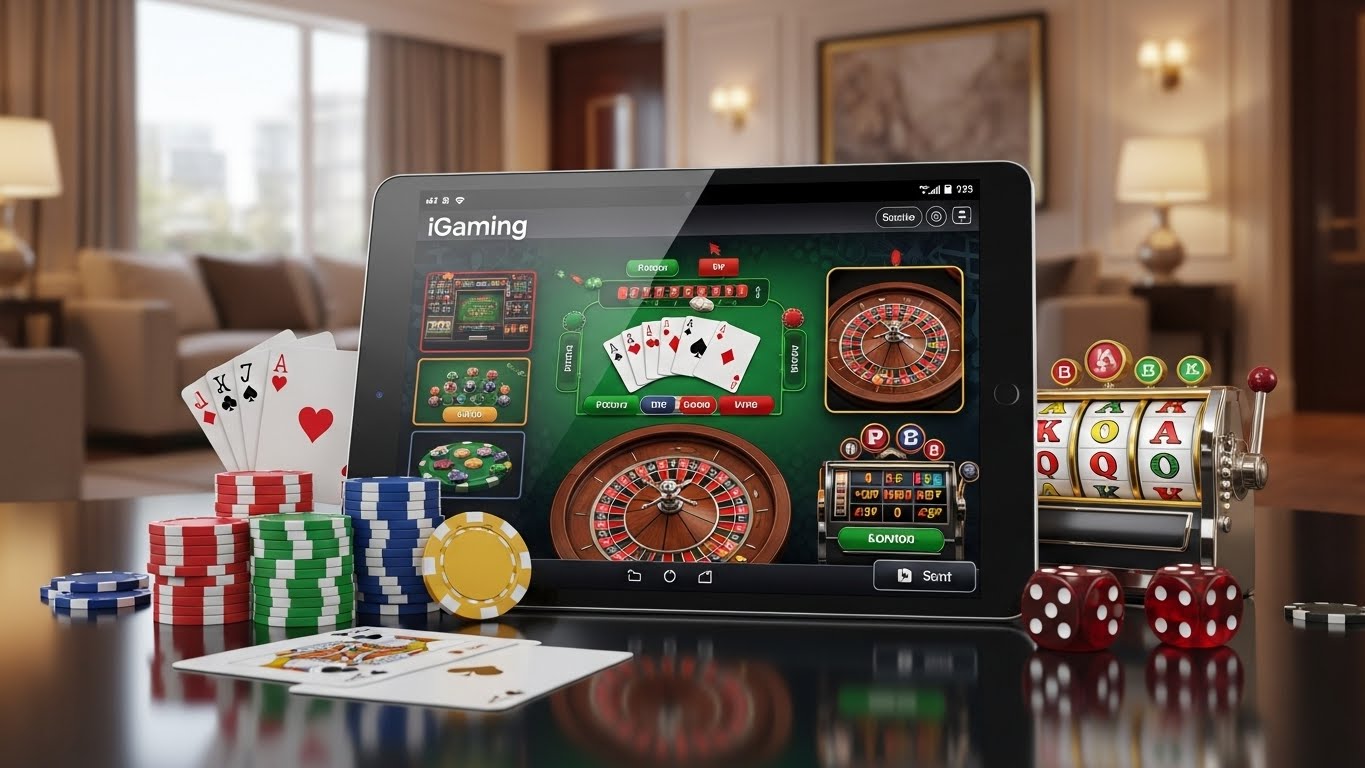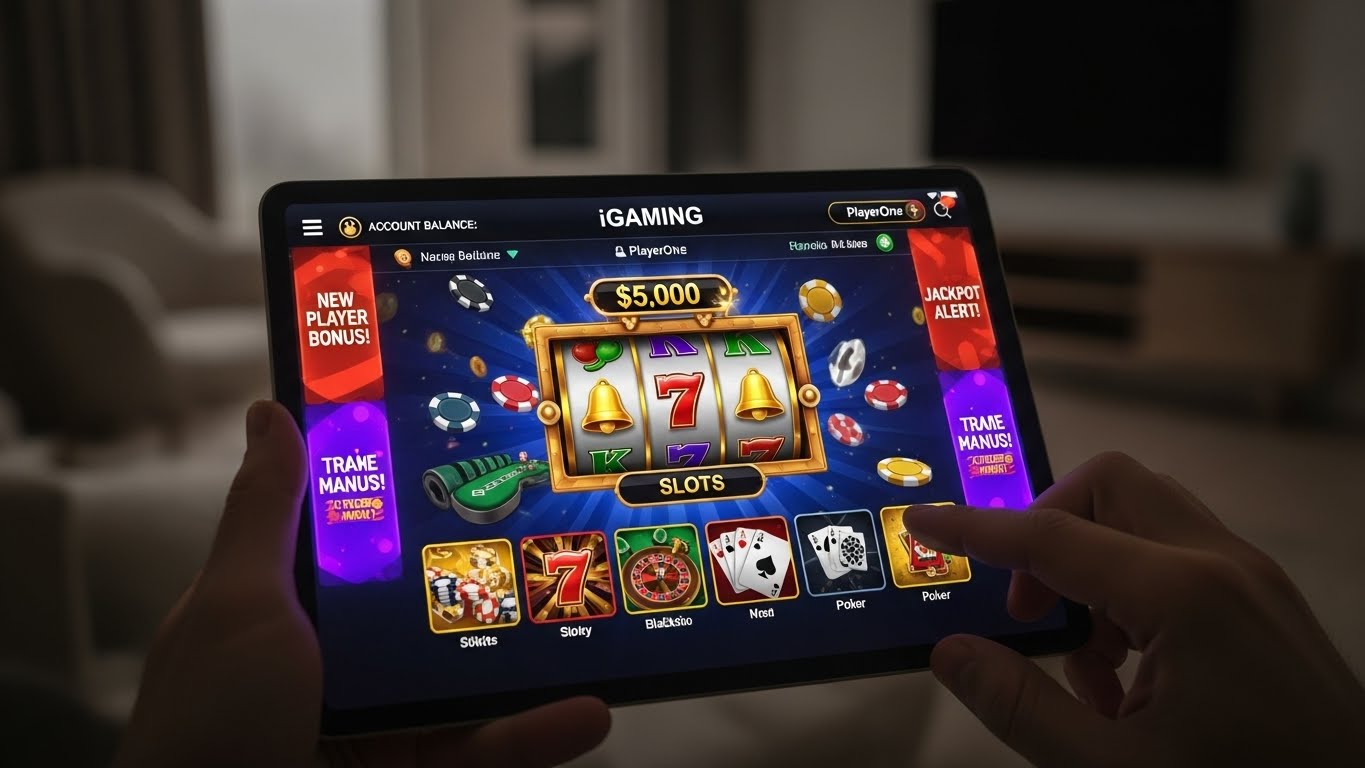

The digital era has transformed entertainment, and one of the most remarkable revolutions is in the world of iGaming. Short for “interactive gaming,” iGaming refers to online gaming platforms where players engage in betting, casino games, poker, and other digital gaming experiences. From the thrill of spinning a virtual roulette wheel to the strategy of online poker, iGaming has created a vibrant ecosystem that blends technology, entertainment, and social interaction.
In this article, we will explore the expansive universe of iGaming, including its history, technological innovations, types of games, player experiences, emerging trends, and the regulatory landscape. By the end, readers will have a deep understanding of how iGaming is shaping modern entertainment and what to expect in the coming years.
A Brief History of iGaming
The origins of iGaming trace back to the late 1990s when the first online casinos began to appear. These early platforms offered basic versions of traditional casino games such as blackjack, roulette, and poker. The appeal was clear: players could enjoy the excitement of gambling without leaving the comfort of their homes.
In the early 2000s, iGaming experienced a surge in popularity as internet speeds improved and secure payment methods became available. This era introduced multiplayer poker rooms, which allowed players to connect with others globally. The concept of social gaming also emerged, blending competitive and casual experiences.
The 2010s marked a major technological leap with mobile gaming, live dealer casinos, and advanced graphics engines. This period firmly established iGaming as a mainstream entertainment option. Today, the industry continues to evolve with immersive technologies like virtual reality (VR), augmented reality (AR), and artificial intelligence (AI), offering experiences that were once unimaginable.
Understanding the iGaming Landscape
iGaming is a broad term that encompasses several types of online gaming activities. These activities can be classified into the following categories:
Online Casinos
Online casinos are digital versions of traditional brick-and-mortar casinos. They offer a variety of games, including:
- Slot Games: Virtual slot machines with themes ranging from ancient civilizations to pop culture references.
- Table Games: Digital versions of classics like blackjack, baccarat, and roulette.
- Live Dealer Games: Real-life dealers streamed live to players’ screens, creating a more authentic experience.
Online casinos often use random number generators (RNGs) to ensure fair play. These platforms also provide bonuses and promotions to attract new players and retain existing ones.
Sports Betting
Sports betting has a massive following in the iGaming sector. Players can place bets on football, basketball, tennis, horse racing, and other sporting events. Online platforms offer real-time odds, live betting options, and in-depth analytics, enhancing the experience for sports enthusiasts.
Poker Rooms
Online poker has been one of the most socially engaging forms of iGaming. Platforms host tournaments, cash games, and sit-and-go events. Players can interact via chat, compete in leaderboards, and even participate in large-scale international tournaments without leaving their homes.
eSports Betting
eSports, competitive video gaming, has emerged as a major iGaming category. Fans can bet on games like League of Legends, Dota 2, and Counter-Strike. This sector merges gaming culture with betting, creating a unique ecosystem that appeals to younger audiences.
Technological Innovations in iGaming
The rapid evolution of technology has been a driving force behind the growth of iGaming. Innovations are continuously reshaping how players interact with digital games and each other.
Mobile Gaming
The rise of smartphones has revolutionized iGaming. Players can now access online casinos and betting platforms on the go, making it more convenient than ever. Mobile-optimized interfaces, push notifications, and instant deposits have contributed to the sector’s growth.
Virtual Reality (VR) and Augmented Reality (AR)
VR and AR are transforming online gaming into immersive experiences. VR casinos allow players to walk through virtual casino floors, interact with other players, and play games in a fully 3D environment. AR can enhance real-world experiences, for example, by overlaying virtual casino elements onto a player’s surroundings.
Artificial Intelligence (AI)
AI plays a multifaceted role in iGaming. It is used for:
- Personalization: AI analyzes player behavior to recommend games tailored to their preferences.
- Fraud Detection: Advanced algorithms detect unusual activity, reducing risks for platforms and players.
- Game Design: AI can simulate real-world scenarios, making games more challenging and engaging.
Blockchain and Cryptocurrencies
Blockchain technology is revolutionizing iGaming through transparency, security, and decentralized transactions. Cryptocurrencies such as Bitcoin, Ethereum, and stablecoins enable fast and secure deposits and withdrawals. Additionally, blockchain ensures fair play through provably fair gaming algorithms.
Player Experience in iGaming
One of the most compelling aspects of iGaming is the diverse and engaging player experience. Developers focus on creating platforms that are not only entertaining but also user-friendly and socially interactive.
Customization and Personalization
Modern iGaming platforms allow players to personalize their experience. From selecting avatars and themes to customizing notifications and game layouts, personalization increases engagement and retention.
Social Interaction
Social features such as chat rooms, leaderboards, and multiplayer games provide a sense of community. Players can compete against friends, form alliances, or simply interact with others while playing, adding a social dimension that was previously missing in digital gambling.
Gamification
Gamification introduces elements such as achievements, challenges, and reward points to enhance engagement. By providing goals and incentives, platforms encourage players to explore more games and remain active on the platform.
Trends Shaping the Future of iGaming
iGaming is an industry that thrives on innovation. Several trends are likely to define the next decade of interactive gaming.
Mobile-First Platforms
With mobile device usage continuing to rise, developers are prioritizing mobile-first experiences. Apps are designed for seamless performance, responsive design, and quick gameplay, making it easy for players to engage anytime, anywhere.
Integration of AI and Machine Learning
AI will continue to improve personalization, predictive analytics, and fraud prevention. Machine learning algorithms can analyze vast datasets to anticipate player behavior and suggest new games or promotions.
Expansion of eSports Betting
The popularity of eSports is expected to grow further, attracting a broader audience. Betting platforms are increasingly offering live streaming, real-time odds, and community-driven tournaments to enhance the eSports betting experience.
Responsible Gaming and AI Moderation
As the industry expands, responsible gaming is becoming a priority. AI-powered tools can detect signs of problem gambling, provide alerts, and recommend breaks, ensuring a safer environment for players.
Virtual and Mixed Reality Experiences
VR and AR technologies will continue to evolve, offering fully immersive casino experiences. Future innovations could include multiplayer VR casino resorts, mixed reality poker rooms, and interactive tournaments with real-world rewards.
Regulatory Landscape of iGaming
iGaming is highly regulated, and compliance is critical for platforms and players alike. Different regions have unique laws, licensing requirements, and taxation policies.
Licensing and Legal Compliance
Operating a legal iGaming platform requires obtaining licenses from relevant authorities. These licenses ensure that platforms adhere to fair gaming practices, secure transactions, and responsible gaming standards.
Regional Differences
Regulations vary widely across countries. For example, some nations permit online casinos but restrict sports betting, while others have strict limitations on both. Understanding local laws is essential for operators and players to avoid legal issues.
Player Protection
Regulations also focus on protecting players. Measures include age verification, responsible gaming tools, secure payment systems, and dispute resolution mechanisms. This regulatory framework ensures a safer and more trustworthy gaming environment.
Challenges Facing the iGaming Industry
Despite its growth, iGaming faces several challenges that need careful management.
Cybersecurity Threats
The rise of digital platforms has increased the risk of cyberattacks. Protecting user data, financial transactions, and platform integrity is a constant challenge for operators.
Gambling Addiction
Problem gambling remains a significant concern. Platforms must implement responsible gaming measures, including self-exclusion options, spending limits, and AI-driven monitoring tools.
Regulatory Compliance
Navigating complex regulations in multiple jurisdictions can be costly and time-consuming. Platforms must invest in legal expertise and robust compliance systems to operate successfully.
Market Saturation
With numerous platforms entering the market, competition is fierce. Operators must differentiate themselves through innovative games, superior user experience, and attractive promotions.
Conclusion
iGaming has evolved from simple online casino games into a multifaceted digital entertainment ecosystem. It combines technology, social interaction, strategy, and excitement, offering experiences that appeal to a diverse audience. Innovations in mobile gaming, VR, AR, AI, and blockchain continue to redefine the industry, while responsible gaming practices and regulations ensure safety and fairness.
As iGaming grows, players can expect more immersive experiences, personalized interactions, and social connectivity. Operators will continue innovating to meet the demands of a sophisticated and ever-expanding audience. Whether you are a casual gamer, a competitive player, or an industry enthusiast, the world of iGaming offers endless opportunities for exploration and enjoyment.
The digital revolution in gaming is just beginning, and iGaming stands at the forefront, bridging technology and entertainment in ways that were unimaginable just a few decades ago. It is an exciting time for players, developers, and industry observers alike, as the boundaries between reality and virtual gaming continue to blur.