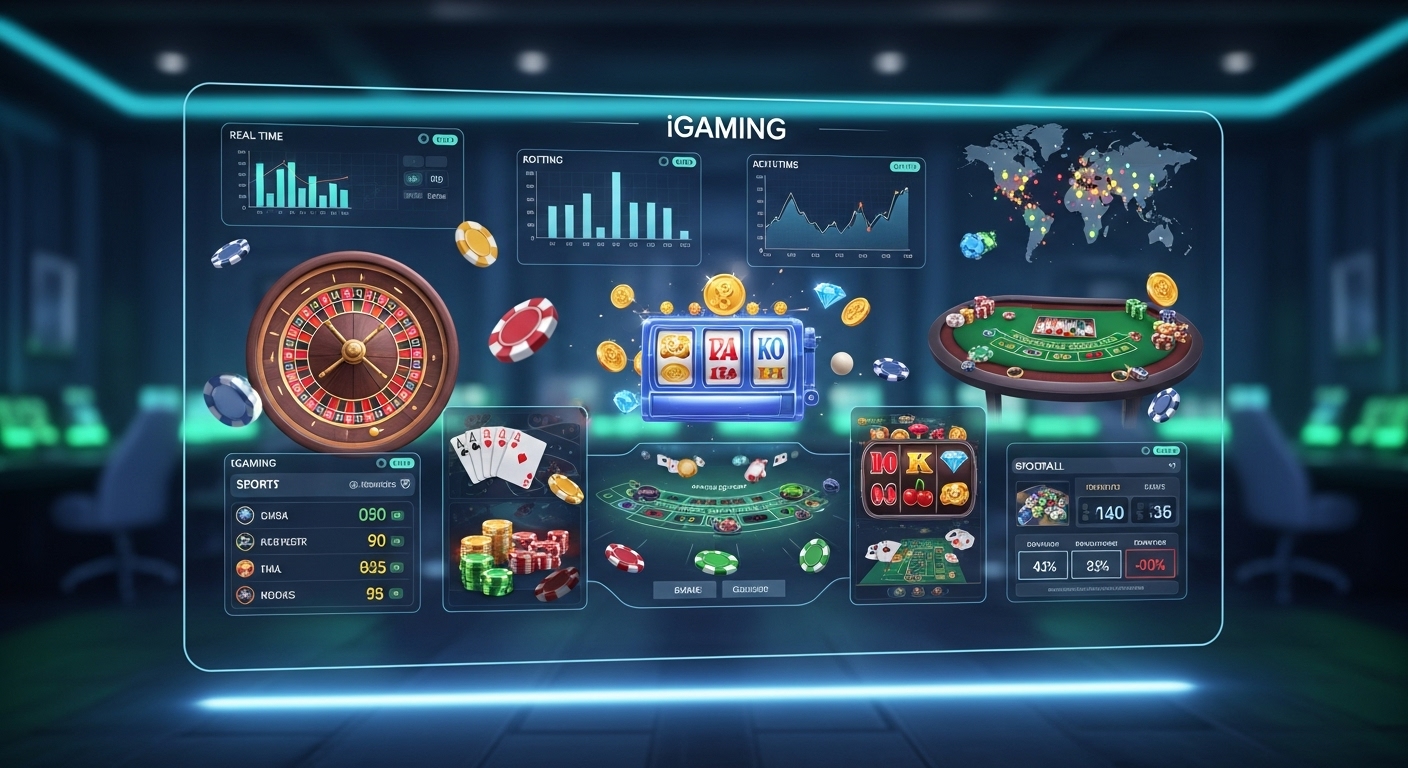
iGaming, or internet gaming, refers to the broad range of gaming activities that are conducted over the internet. From online casinos and virtual poker rooms to sports betting and eSports, the world of iGaming is booming. The accessibility of internet-based platforms, combined with advances in technology, has made it easier than ever for people to engage in gaming experiences, transforming the way millions of people entertain themselves. With billions of dollars in revenue being generated globally, iGaming is fast becoming one of the most profitable sectors in the entertainment industry.
But how did this digital phenomenon come to be? What factors have contributed to the explosive growth of iGaming? And how is it shaping the future of the entertainment and gaming industries?
This blog post will explore the rise of iGaming, its impact on the global economy, the legal landscape, emerging trends, and the future of digital gaming. We’ll look at the technology behind iGaming platforms, how they are reshaping gaming behavior, and what challenges and opportunities lie ahead in this fast-paced, ever-evolving market.
The Evolution of iGaming: From Land-Based Casinos to Digital Platforms
The origins of iGaming can be traced back to the 1990s when the internet began to revolutionize how people communicated, shared information, and interacted with each other. At the time, land-based casinos were the primary destinations for gaming enthusiasts, and betting was done through physical means—whether that be through a poker table or a slot machine. However, as the internet grew in prominence, a new opportunity emerged: the ability to create digital casinos and gaming platforms that allowed users to gamble and play games from the comfort of their homes.
In 1994, the Caribbean nation of Antigua and Barbuda passed the Free Trade & Processing Act, which paved the way for online gambling by allowing online casinos to be licensed and operate legally. In 1996, the first online casino, InterCasino, was launched, offering a handful of games such as blackjack, roulette, and slots. By the late 1990s, the first sports betting sites had appeared, and digital poker rooms began to emerge as well. This marked the birth of what we now recognize as iGaming.
Over the next two decades, the iGaming industry grew exponentially. The development of better internet connectivity, improved software, and enhanced security protocols made it possible for online gaming platforms to offer an ever-expanding variety of games, features, and payment options.
The iGaming Boom: Key Drivers Behind the Growth
Several factors have contributed to the rapid rise of iGaming in recent years. These include advancements in technology, changes in societal attitudes toward gambling, and shifts in global legal and regulatory frameworks.
1. Advancements in Technology:
The biggest driver of iGaming’s growth is undoubtedly technology. As internet speeds and mobile devices have improved, online gaming has become more immersive and accessible. Players no longer have to sit in front of a computer to enjoy their favorite games; mobile gaming has enabled individuals to play on the go, whether they are commuting, waiting in line, or relaxing at home.
Live dealer games, powered by cutting-edge streaming technology, have also become a huge hit. These games allow players to interact with real-life dealers in real time, bringing the excitement of a land-based casino into their homes. The live-streamed interaction, combined with high-quality visuals and the feeling of being part of a real casino, has transformed the online gambling experience into something much more engaging.
2. Growth of Mobile Gaming:
With the ubiquity of smartphones and tablets, mobile gaming has become a major segment within iGaming. The flexibility of mobile platforms allows users to access casinos, poker rooms, and sports betting sites at their convenience. Mobile apps from iGaming companies make it easy to place bets, play games, and even participate in live events, all from the palm of your hand. As more people turn to their phones for entertainment, mobile iGaming is expected to continue growing rapidly.
3. Legalization and Regulation:
In many regions, the regulatory landscape surrounding online gambling has become more favorable in recent years. As more governments around the world recognize the potential economic benefits of legalizing iGaming, they have moved to regulate it in a way that ensures safety and fairness for players while also generating revenue for the state. For example, in the United States, the legalization of sports betting has taken place in several states since 2018, opening up a massive market that was once dominated by illegal bookies.
In addition, jurisdictions like the United Kingdom, Malta, and Gibraltar have established themselves as iGaming hubs, providing licenses to online casinos and sportsbooks and creating a level of legitimacy for the industry. As the regulatory framework becomes more robust, the trust in iGaming platforms has increased, which has encouraged both consumers and businesses to engage more fully with the market.
4. The Rise of Social and Casual Gaming:
While traditional gambling activities like poker and casino games remain popular, a growing segment of iGaming focuses on casual and social gaming. These games are typically free to play and often incorporate elements of social interaction, such as multiplayer modes, leaderboards, and rewards. Popular mobile games like Candy Crush and FarmVille have helped normalize gaming as a form of entertainment, making it more appealing to a wider audience.
Social gaming platforms, such as Facebook Gaming and Twitch, have also contributed to the rise of iGaming. These platforms allow users to watch and interact with live game streams, creating a more immersive experience. The concept of gaming as a shared social activity is quickly becoming a dominant theme in iGaming.
The Types of iGaming: What Can Players Enjoy?
The iGaming industry is diverse, encompassing a wide variety of gaming genres and activities. Here’s a closer look at some of the key types of iGaming:
1. Online Casinos:
Online casinos are the cornerstone of iGaming. Players can access a wide range of traditional casino games, such as slots, blackjack, poker, baccarat, and roulette, all available at the click of a button. These games are powered by random number generators (RNGs) to ensure fair play, and many platforms offer the option of playing for free or placing real-money bets. Live dealer games have taken online casinos to the next level, offering a hybrid of virtual and real-world casino experiences.
2. Sports Betting:
Sports betting has long been a part of gambling culture, but its shift to online platforms has allowed for broader participation. Players can place bets on a wide range of sports events, from traditional sports like football, basketball, and tennis to niche markets like eSports and virtual sports. The convenience of live betting—placing wagers while the event is happening—has added a new dimension to the sports betting experience.
3. eSports:
The explosion of competitive gaming has turned eSports into a global phenomenon. eSports involves professional players competing in games like League of Legends, Dota 2, and Counter-Strike: Global Offensive. Online platforms allow fans to bet on eSports tournaments, and the viewership for eSports events continues to grow. With massive prize pools, professional teams, and sponsorships from major brands, eSports is fast becoming a billion-dollar industry.
4. Virtual Sports:
Virtual sports are computer-simulated games that mimic real-life sporting events. Players can place bets on virtual football, basketball, horse racing, and more. These games run 24/7, providing instant entertainment and betting opportunities. The appeal of virtual sports lies in their accessibility and the fact that they are always available, unlike traditional sports that have specific seasons or schedules.
5. Social and Casual Games:
As mentioned earlier, social and casual gaming has become a significant part of iGaming. These games are often free to play but allow users to purchase in-game currency or items. The focus is less on high stakes and more on entertainment and social interaction. Mobile apps like PokerStars offer a casual, user-friendly way for people to engage with card games, while social platforms like Twitch allow players to watch live gaming streams and interact with content creators.
Challenges Facing the iGaming Industry
Despite its explosive growth, the iGaming industry faces several challenges that could impact its future. These include:
1. Regulatory Challenges:
While iGaming is legal in many regions, the regulatory environment remains fragmented. Some countries have strict gambling laws, while others have yet to legalize online gaming. The patchwork regulatory framework can make it difficult for companies to operate internationally and ensures that players are protected consistently.
2. Responsible Gambling:
The rise of online gambling has raised concerns about responsible gaming practices. Online platforms must implement measures to prevent problem gambling, such as offering self-exclusion tools and setting limits on deposits or bets. The risk of addiction and the potential financial harm caused by gambling are ongoing challenges that the iGaming industry must address.
3. Cybersecurity Threats:
As with any digital industry, iGaming is vulnerable to cybersecurity threats, including hacking, data breaches, and fraud. Ensuring that players’ personal and financial information is safe is paramount. iGaming companies must invest heavily in security technologies to protect their users and maintain trust.
The Future of iGaming: What’s Next?
As iGaming continues to grow, several trends and developments are likely to shape its future:
1. The Integration of Virtual and Augmented Reality:
Virtual reality (VR) and augmented reality (AR) technologies have the potential to revolutionize iGaming. VR casinos, where players can immerse themselves in a fully virtual casino environment, and AR features that enhance real-world sports betting could become mainstream within the next decade.
2. Cryptocurrencies and Blockchain Technology:
Cryptocurrencies like Bitcoin and Ethereum are becoming increasingly popular in iGaming. Blockchain technology, known for its transparency and security, could offer a new way to handle transactions, ensuring faster payouts and reducing the risk of fraud.