Introduction
The gaming and gambling industries have undergone massive transformations in recent years. What began as traditional casino experiences within brick-and-mortar establishments has expanded into an ever-evolving digital realm known as iGaming. As technology continues to reshape player expectations, one of the most innovative and successful developments has been the rise of live dealer games. These games serve as a bridge between the physical casino atmosphere and the convenience of online gaming, combining the best aspects of both worlds.
Live dealer games have completely changed how people experience online gambling. No longer are players restricted to computer-generated graphics or random number generators (RNGs). Instead, they can now interact with real human dealers, watch games unfold in real time, and experience the same excitement as sitting at a casino table—all from the comfort of their homes.
This evolution marks a pivotal moment in iGaming’s history. The fusion of advanced streaming technology, interactive user interfaces, and human engagement has transformed the digital gambling landscape. In this blog, we will explore the history, technology, and cultural impact of live dealer games while discussing how they have effectively bridged the gap between online and offline casino experiences.
The Evolution of Online Gambling
Before the introduction of live dealer games, online gambling primarily relied on virtual games powered by RNGs. While these systems provided fair and efficient gameplay, they lacked the social interaction and trust that traditional casinos offered. Players missed the thrill of engaging with a real dealer, watching cards being shuffled, or hearing the sound of chips on a table.
The first online casinos appeared in the mid-1990s, providing a new way for users to access casino games from home. However, these early platforms were basic in design and functionality. As the internet evolved, so did player expectations. By the early 2000s, high-speed broadband connections and improved video technologies allowed for the possibility of streaming live content.
The concept of live dealer games emerged from the desire to recreate the authenticity of physical casinos. Developers recognized that players craved realism and interaction. Thus, live casinos were born—offering a virtual experience that mimicked traditional gameplay with the added convenience of online accessibility.
What Are Live Dealer Games?
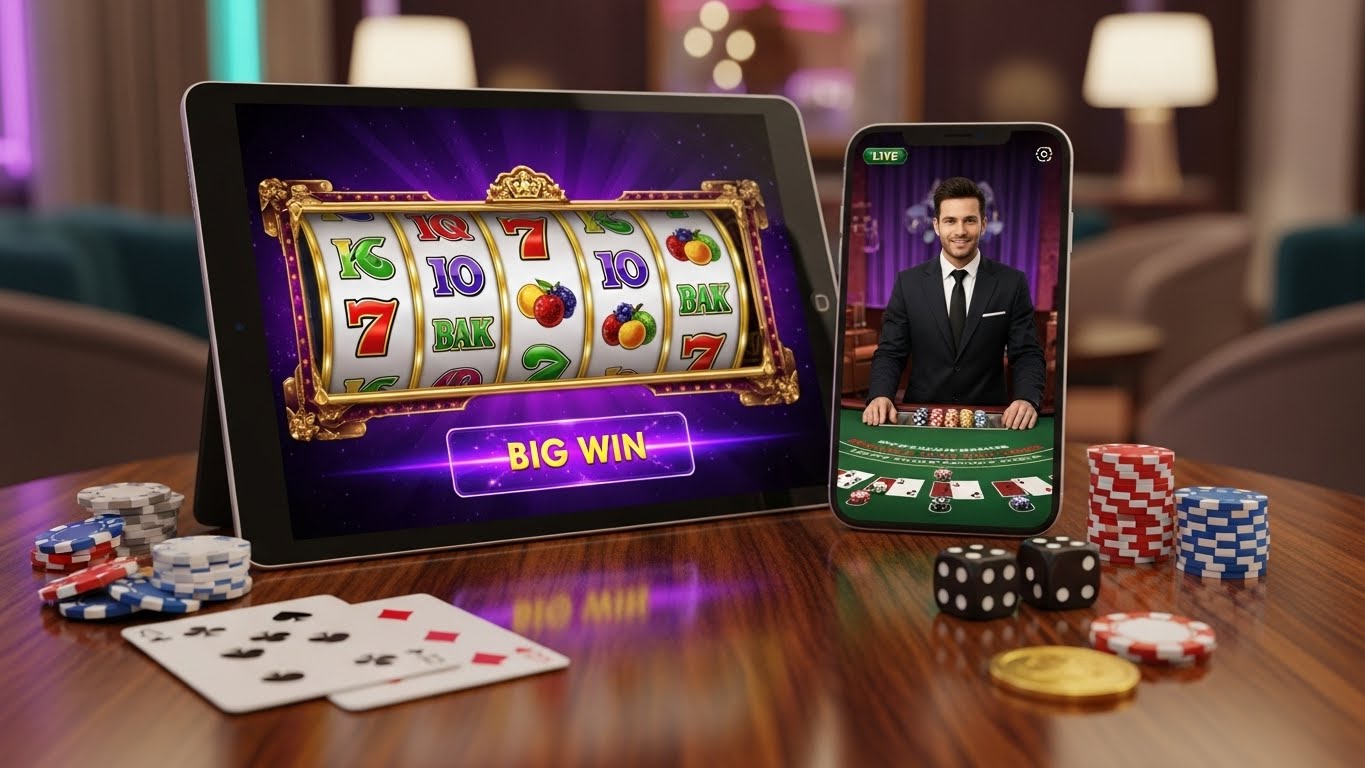
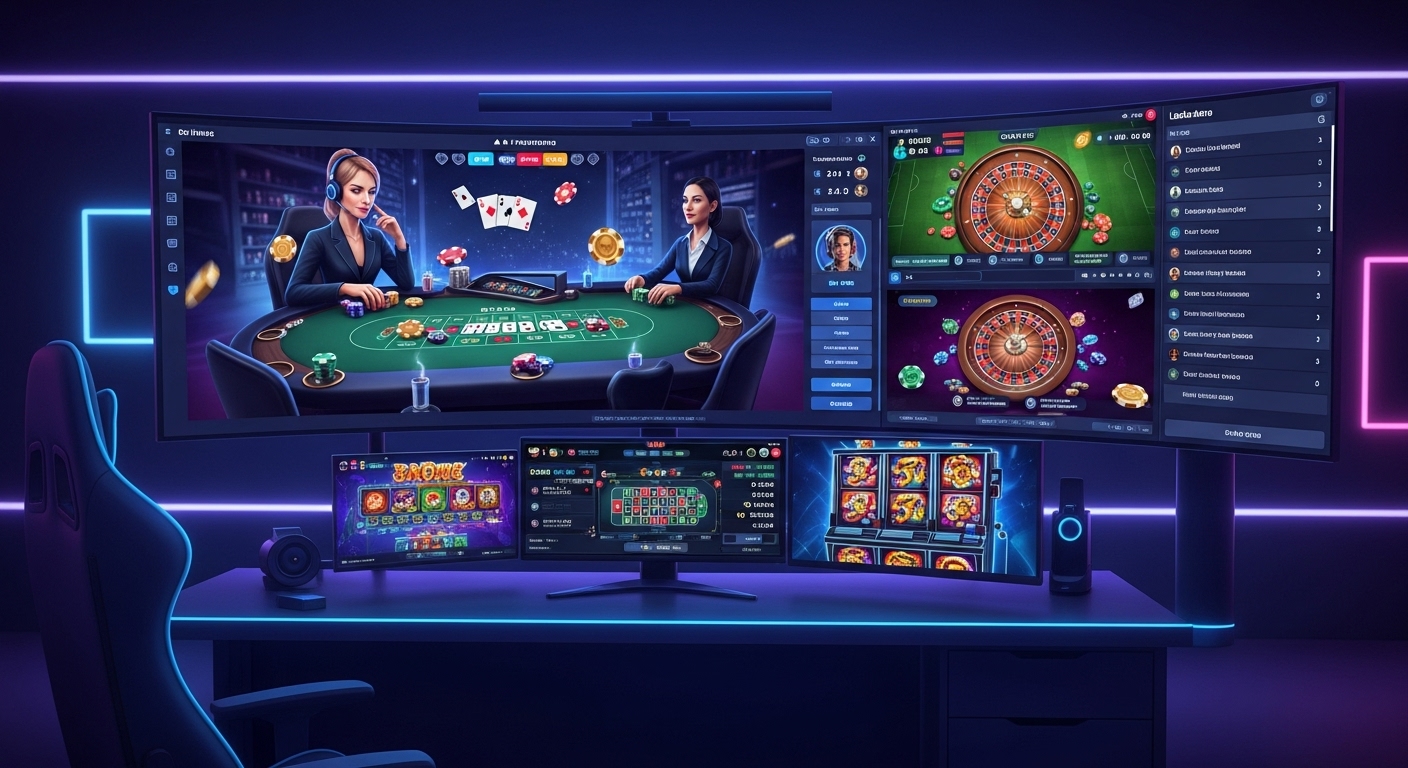
Live dealer games are online casino games hosted by real human dealers and streamed in real time to players’ devices. These games combine live video feeds with digital interfaces, allowing players to place bets, communicate with dealers, and participate in games just as they would in a physical casino.
Players can enjoy classic table games like blackjack, roulette, baccarat, poker, and even unique regional variations. The difference lies in the hybrid format—players interact digitally while watching a live broadcast from a professional studio or an actual casino floor.
The live dealer’s role is crucial. They not only conduct the game but also engage with players through chat features, bringing a human touch that enhances immersion. Cameras capture every move—the shuffle of cards, the spin of the roulette wheel, or the reveal of a winning hand—ensuring transparency and building trust between players and operators.
This innovative approach effectively bridges the gap between human experience and digital convenience, offering a new level of realism in iGaming.
The Technology Behind Live Dealer Games
The success of live dealer games hinges on sophisticated technology designed to ensure seamless, high-quality gameplay. Multiple systems work together behind the scenes to create a flawless experience for users around the world.
1. High-Definition Video Streaming
Modern live dealer platforms rely on HD video streaming technology to deliver crisp visuals and clear audio. Players can view every detail of the game table, dealer movements, and outcomes in real time. Multiple camera angles enhance immersion, offering dynamic perspectives similar to what one would see in a physical casino.
2. Optical Character Recognition (OCR)
OCR technology is used to translate physical actions into digital data. For instance, when a dealer draws a card or spins the roulette wheel, OCR systems capture these actions and instantly display them on the player’s screen. This synchronization between the physical and digital realms is what makes live games truly interactive.
3. Game Control Units (GCU)
Every live game table is equipped with a GCU—a small device responsible for encoding video data and ensuring smooth transmission. The GCU also works in conjunction with the game’s software to manage real-time betting, results, and player interactions.
4. Interactive User Interface
Players use digital interfaces to place bets, chat with dealers, and monitor their winnings. The interface is designed to be intuitive and responsive, allowing for seamless interaction without interrupting the live broadcast.
5. Security and Fairness Systems
To maintain integrity, live dealer games use encrypted connections and secure servers. Licensed operators are subject to strict regulations, ensuring that gameplay is fair and transparent. This level of oversight has made live dealer gaming one of the most trusted segments of iGaming.
The fusion of these technologies has made it possible for live dealer games to provide the same excitement and trust as real-world casinos, ensuring an authentic experience for players everywhere.
Bridging the Gap Between Online and Offline Casinos
The success of live dealer games lies in their ability to merge the best features of both traditional and online gambling.
Real Human Interaction
One of the main appeals of brick-and-mortar casinos is the human connection. Live dealer games restore this social element by allowing players to interact with professional dealers and other participants through chat systems. This interaction adds warmth and realism to the digital environment.
Authenticity and Transparency
Unlike traditional RNG games, live dealer games allow players to see every action as it happens. This visual transparency enhances trust, making players feel more comfortable with their wagers. The presence of real cards, dice, and wheels eliminates skepticism about the game’s fairness.
Convenience of Digital Access
While physical casinos offer atmosphere and glamour, they are not always easily accessible. Live dealer games remove geographic barriers, allowing players to experience the thrill of casino gaming from home, at work, or on mobile devices.
Enhanced Engagement
The immersive nature of live dealer games keeps players more engaged. Real-time communication and dynamic gameplay ensure that players feel involved, reducing the isolation often associated with standard online casino platforms.
Through these features, live dealer games have created a new hybrid space that captures the soul of the casino experience while leveraging the power of digital innovation.
Popular Live Dealer Games
Live dealer platforms offer a wide variety of games, appealing to different preferences and skill levels. Some of the most popular include:
Live Blackjack
Blackjack remains one of the most beloved casino games. In its live version, players face off against real dealers, with multiple camera angles capturing each card dealt. The mix of skill, strategy, and suspense keeps it consistently popular among both beginners and seasoned players.
Live Roulette
Roulette’s visual excitement translates perfectly into a live format. Players can watch the wheel spin and place bets in real time, experiencing the tension of each round as the ball lands. Multiple variants, such as European, French, and American roulette, are often available.
Live Baccarat
This game has a long-standing reputation for sophistication. The live dealer version preserves its elegance while adding interactivity. Players can track cards, chat with dealers, and participate in side bets, all while watching real cards being drawn.
Live Poker
Poker enthusiasts can enjoy live versions such as Texas Hold’em, Three Card Poker, and Caribbean Stud. These games bring players together at a shared table, where they can interact and compete against each other, guided by a professional dealer.
Game Show-Style Live Games
A more recent innovation in the live dealer category is game show-style experiences. Titles inspired by television game shows combine traditional casino elements with entertainment, often including spinning wheels, multipliers, and interactive features. These games cater to casual players looking for something fun and engaging.
The Role of Professional Dealers
The dealers in live casino games are the heartbeat of the entire experience. Their professionalism, charisma, and interaction play a significant role in maintaining player engagement.
Dealers are trained not only in traditional casino operations but also in digital communication. They greet players, explain rules, and manage the flow of gameplay while maintaining a friendly and welcoming environment. Their presence ensures that the human touch remains a key component in an otherwise digital setting.
Moreover, professional dealers help recreate the social and emotional aspects of casino gaming. Their ability to engage with players, respond to messages, and manage the pace of the game makes live dealer experiences both authentic and enjoyable.
How Live Dealer Games Build Trust
Trust has always been a critical factor in online gambling. Players want to feel confident that outcomes are fair and that their money is safe. Live dealer games have been instrumental in building this trust by incorporating visual transparency and real human involvement.
Unlike automated games, where results are generated by unseen algorithms, live dealer games allow players to witness every move. They can watch cards being shuffled, dice being rolled, and wheels being spun in real time. This visibility eliminates doubts and reassures players that no manipulation is taking place.
In addition, the presence of licensed studios, strict regulatory oversight, and third-party auditing further enhances player confidence. Live dealer games are not only engaging—they are reliable and secure.
The Impact of Mobile Technology
The rapid advancement of mobile technology has greatly expanded the reach of live dealer games. Modern smartphones and tablets are equipped with powerful processors, high-resolution displays, and stable internet connections, allowing players to enjoy live casino experiences anytime and anywhere.
Developers have optimized interfaces for mobile use, ensuring that gameplay remains smooth and visually appealing on smaller screens. Touch controls make it easy to place bets, interact with dealers, and navigate menus.
This mobile accessibility has made live dealer games more inclusive, reaching audiences who prefer on-the-go entertainment. The convenience of mobile gaming has played a major role in making live casinos one of the fastest-growing segments in the iGaming industry.
The Future of Live Dealer Gaming
The live dealer gaming industry continues to evolve as technology advances. Emerging innovations such as virtual reality (VR), augmented reality (AR), and artificial intelligence (AI) promise to make the experience even more immersive and interactive.
Virtual Reality Integration
VR headsets can transport players into a fully realized casino environment, where they can move around tables, observe other players, and interact naturally with dealers. This technology has the potential to create a seamless blend of physical and digital gambling experiences.
Augmented Reality Enhancements
AR can overlay digital elements onto real-world views, creating interactive 3D tables or live dealers that appear right in a player’s living room. This will make casino gaming even more accessible and engaging.
AI and Personalization
AI-driven analytics can tailor gaming experiences to individual preferences. From personalized tables to adaptive difficulty levels, AI will make live dealer games more customized and rewarding for each player.
The combination of these technologies will ensure that live dealer gaming remains at the forefront of iGaming innovation, continuously bridging the gap between reality and virtual entertainment.
Conclusion
Live dealer games have revolutionized the iGaming landscape by successfully merging the authentic atmosphere of physical casinos with the convenience and accessibility of digital platforms. Through advanced technology, professional dealers, and real-time interaction, they provide players with a truly immersive and trustworthy experience.
From their early development in the 2000s to their current status as a global phenomenon, live dealer games have redefined what online gambling can be. They have brought back the human connection missing in early online casinos, building a sense of trust and excitement that mirrors real-world play.
As technology continues to evolve—with innovations in streaming, VR, and AI—the future of live dealer games looks incredibly promising. They represent the perfect balance between tradition and innovation, proving that even in a digital age, the human touch remains the ultimate element of trust and engagement.
Live dealer games are not just a bridge between online and offline gaming—they are the foundation for the next generation of immersive entertainment.