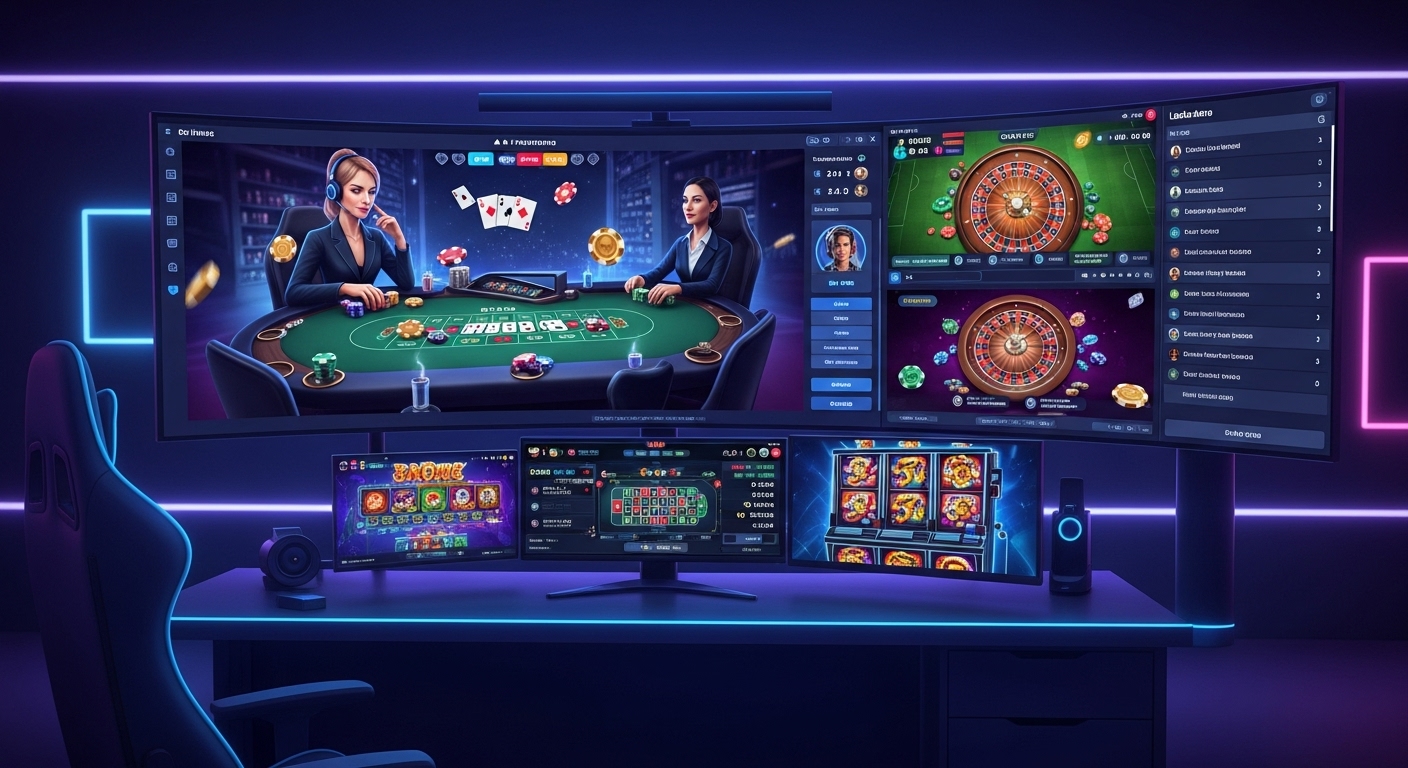

iGaming, the umbrella term for all forms of online gambling, has exploded in popularity over the past few decades. From virtual casinos and sports betting to online poker and mobile gaming apps, the iGaming industry is a multi-billion-dollar sector that continues to grow at an unprecedented rate. This article will explore the evolution of iGaming, the emerging trends shaping its future, and what players and operators can expect as the sector continues to evolve.
The Birth of iGaming
The origins of iGaming can be traced back to the mid-1990s, when the internet became widely accessible to the public. In 1994, the Caribbean nation of Antigua and Barbuda passed the Free Trade & Processing Act, which allowed companies to apply for licenses to offer online gambling services. Shortly after, Microgaming, one of the first developers of online casino software, launched the first-ever online casino in 1994. This marked the official birth of iGaming as we know it today.
During the early years, the technology behind online gaming was quite basic, with limited options for players and relatively few games available. The graphics were rudimentary, and the internet speeds were slow, which made the gaming experience less than ideal. However, this was just the beginning. As the internet evolved, so did the capabilities of online gaming platforms.
Rapid Growth and the Rise of Online Casinos
The late 1990s and early 2000s saw a significant surge in the number of online casinos. This was driven by a few key factors: the increasing availability of the internet, improvements in software development, and a growing demand for alternative forms of entertainment. By the turn of the millennium, online casinos were becoming a staple for players seeking the excitement of traditional casino games from the comfort of their own homes.
The growth of online gambling also coincided with the development of secure payment processing methods, which made it easier for players to deposit and withdraw money. As online casinos became more reliable and trustworthy, they began attracting larger audiences.
In particular, the ability to play classic table games like blackjack, poker, and roulette from home was a major selling point. Slots, in particular, were a huge draw, with developers creating hundreds of different themes and variations. This diversification of games helped cater to a wider audience and solidified the position of online casinos as a primary form of entertainment.
The Impact of Mobile Gaming on iGaming
While the rise of online casinos in the early days of the internet was a game-changer, the real revolution for the iGaming industry came with the advent of smartphones and mobile gaming. In the late 2000s, Apple’s release of the iPhone and the subsequent explosion of mobile apps transformed how people accessed entertainment. The rise of mobile gaming allowed users to play their favorite casino games, poker, or place sports bets on the go, leading to a surge in popularity for iGaming.
Mobile optimization became a critical focus for iGaming operators, as players no longer needed to sit at a computer to enjoy their favorite games. Casinos quickly adapted their websites to be mobile-friendly, and many launched dedicated mobile apps to enhance the user experience. The flexibility offered by mobile gaming made it possible for players to gamble anytime, anywhere—whether during a lunch break, while commuting, or from the comfort of their living room.
With the increased accessibility and portability of mobile gaming, the iGaming sector saw a massive influx of new players, contributing to a boom in the industry. Moreover, mobile technology allowed developers to create more sophisticated games with high-quality graphics, advanced features, and innovative gameplay mechanics. The result was a more immersive and engaging gaming experience for players around the world.
The Emergence of Live Dealer Games
One of the most exciting innovations in iGaming has been the development of live dealer games. In the past, online gambling was often criticized for its lack of social interaction, with players simply playing against software rather than interacting with real dealers and other players. Live dealer games, which use real human dealers streamed in real-time, have changed this dynamic and brought the social aspect of land-based casinos into the virtual world.
Live dealer games are typically hosted in professional studios and broadcast to players via live video feeds. Players can interact with dealers and fellow gamblers via chat features, replicating the atmosphere of a brick-and-mortar casino. Popular live dealer games include blackjack, roulette, baccarat, and poker, which are all streamed in high definition with professional dealers managing the gameplay.
The introduction of live dealer games has significantly enhanced the player experience by combining the convenience of online gambling with the social interaction of a traditional casino. This trend has become increasingly popular, and many top-tier casinos now offer a wide selection of live dealer games.
Regulatory Changes and the Rise of Legalized iGaming
In the early days of iGaming, the legal landscape surrounding online gambling was murky at best. Many operators took advantage of jurisdictions with lenient or nonexistent gambling laws to provide services to players in other countries. However, as the industry grew, so did the scrutiny from governments and regulatory bodies worldwide.
In recent years, a growing number of countries have moved toward legalizing and regulating online gambling. This shift has been driven by a desire to increase government revenues through taxation and ensure that gambling operators comply with safety and fairness standards. As of today, regulated markets such as the UK, the European Union, and parts of the United States have seen significant growth in iGaming revenue.
In the United States, the legalization of online sports betting in 2018 marked a major milestone for the iGaming sector. Following this, various states began legalizing online casino gaming and poker, expanding the availability of iGaming services to more players across the country. This trend is expected to continue, with other states likely to follow suit and create their own regulatory frameworks for online gambling.
Innovations in Payment Methods and Blockchain Technology
As the iGaming sector has grown, so has the demand for faster and more secure payment methods. In the past, players had limited options for depositing and withdrawing money, which could often involve long processing times and high fees. However, with the rise of digital payment solutions such as e-wallets, cryptocurrencies, and blockchain technology, players now have more choices than ever before.
Cryptocurrency, in particular, has become a popular choice for iGaming enthusiasts. Bitcoin, Ethereum, and other digital currencies allow for fast and secure transactions without the need for traditional banking intermediaries. This offers players greater privacy and anonymity, as well as the potential for lower fees and faster withdrawal times.
Blockchain technology also offers the potential for enhanced transparency and security in iGaming. By leveraging decentralized ledgers, operators can provide a higher level of trust and accountability to players. In addition, blockchain technology can help combat fraud and ensure that game outcomes are fair and unbiased.