
The world of online gambling, or iGaming, has evolved dramatically over the past two decades. From humble beginnings as a niche industry, it has grown into a multi-billion-dollar sector, attracting millions of players globally. The industry encompasses a wide variety of activities, including online casinos, sports betting, poker, and esports, all of which are now accessible with just a few clicks of a button. In this blog post, we’ll explore the evolution of iGaming, key trends shaping its future, the technology behind its growth, and the challenges it faces as it continues to mature.
What is iGaming?
iGaming refers to the act of participating in online gambling or gaming, where players engage in virtual games that involve staking real money or virtual currency. It encompasses several forms of online entertainment, including online casinos, betting sites, poker rooms, and even the rapidly growing field of esports betting. Unlike traditional gambling at land-based casinos, iGaming takes place on digital platforms accessible via desktop computers, smartphones, and tablets.
The appeal of iGaming lies in its convenience and accessibility. Players can engage in a wide variety of games from the comfort of their own homes, or on the go, with 24/7 access. The industry has exploded in popularity, especially as it has evolved in terms of technology, user experience, and gaming options.
The Rise of iGaming: A Historical Overview
The origins of iGaming date back to the mid-1990s, when the first online casinos started to appear. With the launch of the internet and growing access to personal computers, the concept of virtual gambling quickly gained traction. The introduction of secure online payment systems like credit cards and e-wallets in the late 90s enabled transactions to occur seamlessly, helping online casinos build trust with players.
The turning point for iGaming came in 2003 with the creation of the first major online poker room, PokerStars, which brought poker into the mainstream. Poker’s popularity surged with televised tournaments like the World Series of Poker, which boosted participation worldwide. In the following years, online casinos, sportsbooks, and other gaming platforms began to diversify their offerings, building out a wide range of gaming options to cater to different preferences.
As the technology behind online gaming platforms advanced, the quality of games improved. The early days of iGaming were marked by simple, rudimentary games with basic graphics. Today, however, iGaming operators offer sophisticated, immersive experiences with cutting-edge graphics, live dealers, and even virtual reality casinos.
Current Trends in iGaming
The iGaming industry has been shaped by numerous trends that have influenced its rapid growth and evolution. Here are some of the most significant trends currently shaping the iGaming landscape:
1. Mobile Gaming: The Shift Toward Handheld Devices
One of the most noticeable trends in the iGaming industry is the dramatic rise of mobile gaming. With the proliferation of smartphones and tablets, players now have the ability to access their favorite games on the go. iGaming operators have responded by optimizing their platforms for mobile devices, allowing users to play casino games, place sports bets, and engage in poker tournaments from anywhere in the world.
Mobile gaming has become especially important as younger generations, who have grown up with mobile devices, are driving the demand for convenient, on-the-go gaming experiences. Many iGaming platforms now offer dedicated mobile apps that enhance the user experience by providing faster load times, more interactive features, and better graphics optimized for smaller screens.
2. Live Dealer Games: The Fusion of Online and Real-Life Casino Experiences
Live dealer games have gained significant popularity in recent years, as they offer a more immersive, social experience compared to traditional virtual games. In live dealer games, players interact with real human dealers who are streaming the action live from a professional studio or casino. These games typically include popular casino staples like blackjack, roulette, baccarat, and poker.
What sets live dealer games apart from traditional online games is the human element. Players can interact with the dealers through chat functions, watch them shuffle cards or spin roulette wheels in real time, and feel a sense of connection to the game. This experience is designed to replicate the excitement and social atmosphere of a brick-and-mortar casino while providing the convenience and accessibility of online gaming.
3. The Rise of Esports Betting
Esports, or competitive video gaming, has exploded in popularity in recent years. What started as a niche pastime has now become a global phenomenon, with millions of players and fans watching and participating in esports tournaments. Alongside this growth, esports betting has emerged as one of the fastest-growing sectors in the iGaming industry.
Esports betting involves wagering on the outcome of professional esports competitions, which are held for games like Dota 2, League of Legends, Counter-Strike, and many others. The growth of esports as a spectator sport has attracted a new generation of gamblers, many of whom are already passionate gamers. For iGaming operators, offering esports betting has become a way to tap into this burgeoning market and offer a fresh, exciting alternative to traditional sports betting.
4. Cryptocurrency Integration
The use of cryptocurrencies, particularly Bitcoin, has gained traction in the iGaming industry. Players can now use digital currencies to make deposits, place bets, and withdraw winnings on many online gaming platforms. The appeal of using cryptocurrency lies in its anonymity, security, and fast transaction times.
Blockchain technology, which underpins cryptocurrencies, has also made its way into the iGaming sector. Many iGaming platforms are exploring how blockchain can provide more transparent and secure gaming experiences. For example, blockchain can be used to ensure fairness in game outcomes by allowing players to verify the randomness of results through smart contracts.
5. Virtual Reality (VR) and Augmented Reality (AR)
While still in its infancy, virtual reality (VR) and augmented reality (AR) are two technologies that have the potential to radically transform the iGaming industry. VR gaming provides players with fully immersive experiences, where they can explore virtual casinos or play poker against other players in a 3D space. By wearing a VR headset, players can interact with their surroundings and experience the game from a first-person perspective.
AR, on the other hand, blends the digital world with the physical world. In iGaming, AR could be used to create unique, interactive experiences that combine elements of real-world environments with virtual gaming. For example, players could place virtual poker chips on a physical table or watch a live casino game unfold in their living room.
Technology Driving iGaming Growth
Behind every successful iGaming platform lies a combination of technologies that enable seamless gameplay, secure transactions, and engaging user experiences. Let’s take a look at some of the key technologies that power the industry:
1. Random Number Generators (RNGs)
At the heart of most online casino games is the random number generator (RNG). RNGs ensure that every game result is random, fair, and unbiased. Whether it’s a slot machine spin, a roulette wheel spin, or the dealing of cards in blackjack, the RNG determines the outcome of each event. The integrity of the RNG is vital to ensuring the fairness and credibility of online games.
2. Artificial Intelligence (AI)
AI has found multiple applications in iGaming. From personalizing gaming experiences to enhancing customer support, AI is helping operators cater to individual player preferences. AI-powered chatbots provide 24/7 customer service, offering quick answers to players’ questions or resolving issues in real time. AI algorithms also track player behavior and use data to recommend personalized games, promotions, or bonuses.
In addition, AI plays a role in detecting and preventing fraud and ensuring responsible gambling practices. AI can identify patterns of problematic gambling behavior and trigger alerts to prevent players from exceeding their limits.
3. Secure Payment Systems
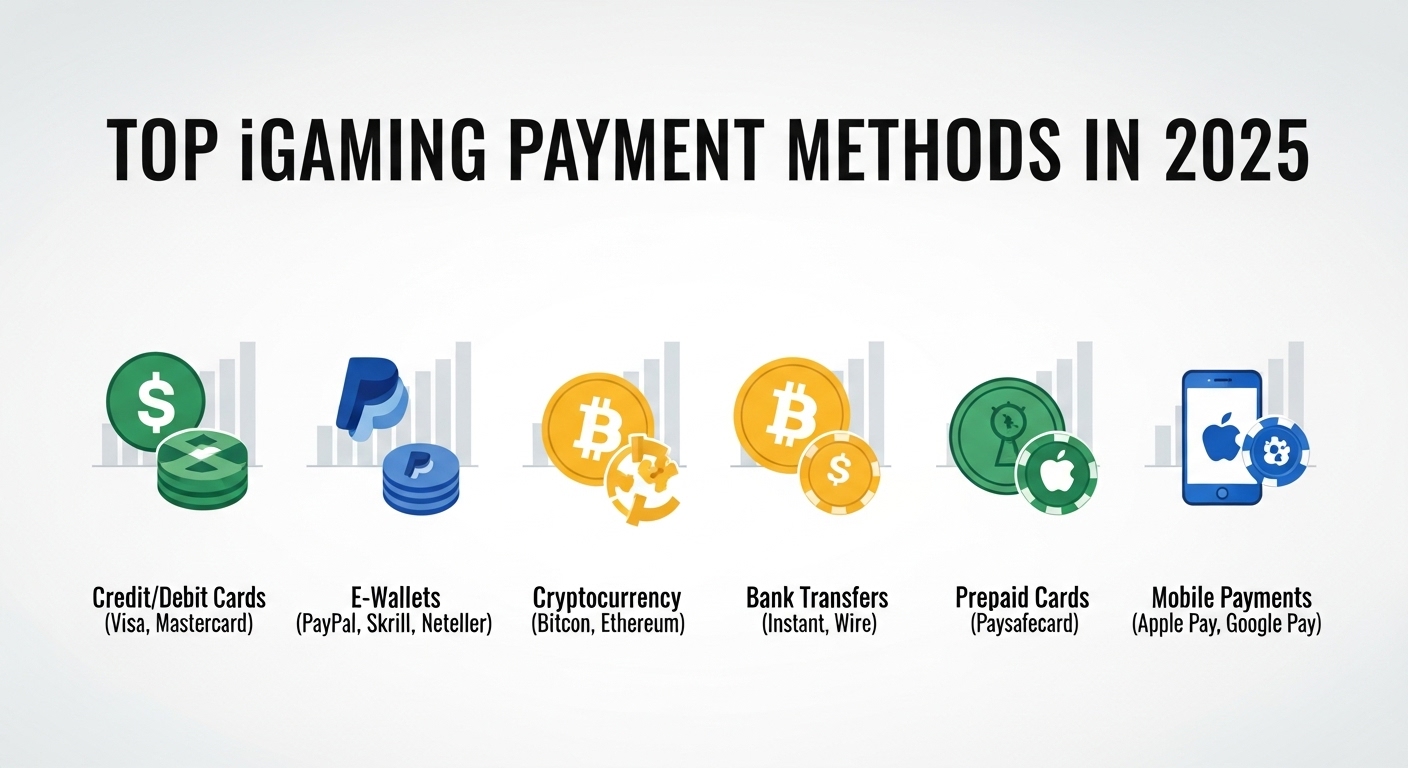
Security is a top priority for online gaming operators, and secure payment systems are critical to ensuring safe transactions. In addition to traditional banking options, the integration of e-wallets and cryptocurrencies has given players more payment choices. These payment systems encrypt sensitive data to prevent unauthorized access and provide fast, secure transactions.
4. Cloud Computing
Cloud computing has allowed iGaming operators to scale their platforms and improve performance. By hosting games and services on cloud servers, operators can deliver content to players more efficiently and handle high volumes of traffic without downtime. Cloud computing also supports the development of mobile gaming, as it enables seamless access to games and data across multiple devices.
Challenges Facing the iGaming Industry
Despite its rapid growth, the iGaming industry faces several challenges that operators must navigate to ensure continued success. One of the biggest challenges is regulation. iGaming is heavily regulated in many jurisdictions, and each country has its own set of rules and regulations governing online gambling. Navigating these complex legal landscapes can be challenging for operators, especially those that operate in multiple countries.
Another challenge is ensuring responsible gambling. While many players enjoy iGaming responsibly, others may develop addiction issues or experience financial hardship. Operators must implement safeguards to protect vulnerable players, such as self-exclusion options, deposit limits, and responsible gambling awareness campaigns.
Finally, competition in the iGaming market is fierce. With new operators entering the market all the time, established companies must continue to innovate and provide unique experiences to retain players. This drives continuous improvements in game design, user experience, and customer service.
The Future of iGaming
The future of iGaming is bright, with new technologies and trends continuing to shape the industry. As mobile gaming, live dealer games, and esports betting continue to expand, the industry will likely see even more innovations in the coming years. Virtual reality, blockchain, and AI are expected to further enhance the gaming experience, offering players even more immersive and personalized gameplay.
However, the industry must also focus on regulatory compliance and responsible gambling to ensure long-term sustainability. As more jurisdictions embrace legal iGaming, global standards will likely emerge to help ensure that operators maintain high levels of integrity, security, and fairness.
In conclusion, iGaming has come a long