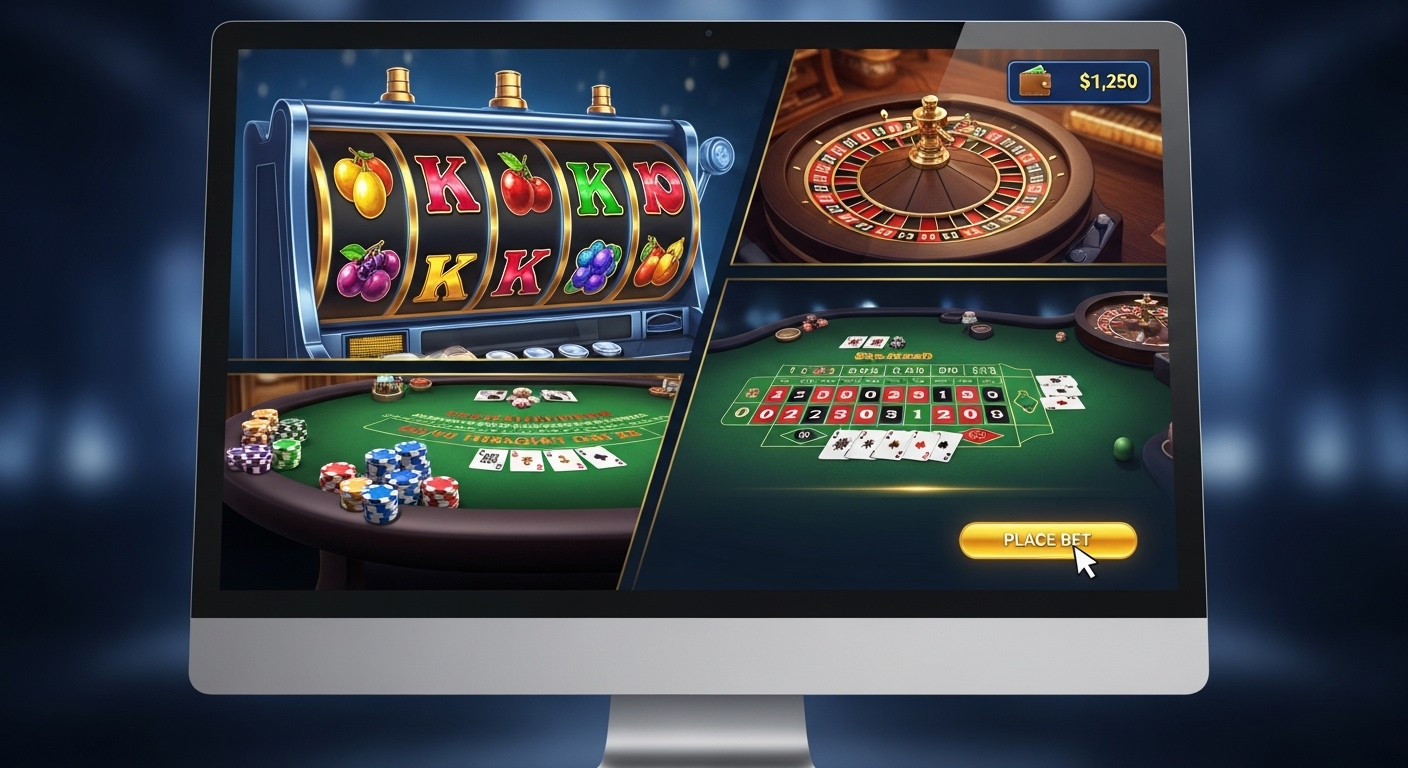

The world of digital entertainment has seen an unprecedented transformation in recent years, and one of the most significant trends in this shift has been the rise of iGaming. From online casinos to esports betting, iGaming represents a convergence of gaming, technology, and online gambling, offering players and enthusiasts a wide range of opportunities. In this blog post, we will explore the evolution of iGaming, its current state, the technologies that fuel it, and the impact it has on the global economy, society, and culture.
What is iGaming?
iGaming refers to the broad range of gambling activities that take place online. This includes online casinos, sports betting, virtual poker rooms, bingo, and even esports betting. The “i” in iGaming stands for “internet” or “interactive,” highlighting the role of the internet in enabling these gaming activities to take place remotely. The rise of iGaming has opened up new markets and created a global community of players, all engaging in gaming experiences from the comfort of their homes, or on the go, through mobile devices.
At its core, iGaming is about offering traditional gambling experiences in a digital format. However, over time, it has evolved into a more complex and diverse ecosystem, including various subcategories such as skill-based gaming, fantasy sports, and live dealer games, among others. Today, the iGaming industry spans a variety of platforms, from online casino games like slots and blackjack to newer, more immersive experiences like virtual reality casinos and blockchain-based games.
The Rise of Online Gambling: A Historical Overview
The history of iGaming dates back to the mid-1990s when the first online casinos started operating. In 1994, Antigua and Barbuda passed the Free Trade and Processing Act, which allowed companies to operate online gambling services. This legislation laid the groundwork for the global expansion of the iGaming industry. The first online casino, InterCasino, was launched in 1996, marking the beginning of the iGaming revolution.
The late 1990s and early 2000s saw a rapid expansion of online gambling platforms, driven by technological advancements in internet connectivity and digital payment systems. These early platforms primarily offered games like poker, blackjack, and roulette, with the promise of replicating the land-based casino experience in a digital environment. However, regulatory challenges also arose as governments struggled to establish legal frameworks for online gambling, creating a patchwork of laws across different regions.
By the mid-2000s, the iGaming industry had gained substantial traction, with players from around the world flocking to online platforms for both entertainment and real-money betting. The emergence of mobile technology in the late 2000s further fueled the growth of iGaming, as players could now access games from their smartphones and tablets, making gaming more accessible and convenient.
iGaming Today: A Multi-Billion Dollar Industry
Fast forward to today, and iGaming is a global multi-billion-dollar industry. According to various industry reports, the global iGaming market was valued at over $60 billion in 2023, and it is expected to grow steadily over the next decade. This growth can be attributed to several factors, including technological advancements, the proliferation of mobile gaming, and the liberalization of gambling laws in various countries.
One of the most notable developments in recent years has been the rise of live dealer games, which have taken online casinos to new heights of realism. Live dealer games allow players to interact with professional dealers in real-time through video streaming, creating an experience that closely resembles playing in a brick-and-mortar casino. This has helped bridge the gap between traditional online gambling and the land-based casino experience.
The rise of esports betting has also played a significant role in the evolution of iGaming. Esports, which involves competitive video gaming, has grown into a multi-billion-dollar industry in its own right, with millions of fans and players around the world. Esports betting allows fans to place bets on the outcomes of esports tournaments, adding an additional layer of excitement to an already popular entertainment sector.
Furthermore, social gaming has become an increasingly prominent part of the iGaming landscape. Many online platforms now offer social features, such as the ability to play with friends, join virtual communities, and share achievements on social media. This integration of social elements has made iGaming more engaging and interactive, helping to attract a wider audience, including younger generations.
The Technology Behind iGaming
Behind the scenes, several cutting-edge technologies are driving the growth and innovation of iGaming. These technologies have not only made online gambling more immersive and exciting but have also improved the overall user experience. Some of the most important technologies shaping the future of iGaming include:
1. Mobile Technology
The proliferation of smartphones and tablets has been a game-changer for the iGaming industry. Mobile gaming has made gambling more convenient, allowing players to access their favorite games anytime and anywhere. Many iGaming platforms now offer dedicated mobile apps or mobile-optimized websites, ensuring a seamless experience across devices.
2. Virtual Reality (VR) and Augmented Reality (AR)
Virtual reality and augmented reality are starting to make waves in the iGaming industry, offering players fully immersive experiences that blur the line between the digital and physical worlds. VR casinos, for example, allow players to experience a casino environment in 3D, complete with realistic graphics and lifelike interactions with other players and dealers.
Augmented reality, on the other hand, enhances real-world environments with digital elements. In the context of iGaming, AR can be used to overlay virtual casino games onto real-world settings, adding a new layer of interactivity and engagement.
3. Blockchain Technology
Blockchain technology has the potential to revolutionize the iGaming industry by enhancing transparency, security, and fairness. In a blockchain-powered casino, every transaction is recorded on a decentralized ledger, making it impossible to alter or tamper with game outcomes. This can help reduce fraud and ensure that games are fair for all players.
Moreover, blockchain-based casinos can offer players the ability to use cryptocurrencies like Bitcoin and Ethereum for deposits and withdrawals, providing a secure, anonymous, and efficient alternative to traditional payment methods.
4. Artificial Intelligence (AI) and Machine Learning
Artificial intelligence and machine learning are increasingly being used in the iGaming sector to personalize the gaming experience, detect fraudulent behavior, and optimize game development. AI algorithms can analyze player behavior to recommend personalized games and promotions, improving customer retention and engagement.
Additionally, AI is used in fraud detection and responsible gambling measures, such as identifying patterns of problematic gambling behavior and offering players tools to limit their spending or time spent gaming.
The Social and Economic Impact of iGaming
As iGaming continues to grow, it has had a significant impact on both the global economy and society. On the economic front, iGaming has created thousands of jobs, from software developers and customer support agents to marketing professionals and regulatory bodies. The industry has also contributed to local economies, particularly in jurisdictions where online gambling has been legalized and regulated.
For example, the United Kingdom, one of the most well-regulated iGaming markets in the world, has seen significant tax revenue generated from online gambling. This revenue is often used to fund public services and infrastructure projects, benefiting the broader economy.
However, the rapid growth of iGaming has also raised concerns about its social impact, particularly regarding problem gambling. While the majority of players engage in iGaming responsibly, there is a subset of individuals who may develop gambling addictions. As a result, regulators and operators have taken steps to implement responsible gambling measures, such as self-exclusion programs, deposit limits, and the use of AI to detect harmful behaviors.
Additionally, the rise of esports betting has raised concerns among parents and educators about the potential for young people to develop gambling habits. Many operators have responded by introducing age verification systems and promoting responsible gaming practices to protect vulnerable players.
The Future of iGaming
The future of iGaming looks promising, with continuous innovation and growth expected in the coming years. Some key trends to watch include:
- Growth of live streaming: As esports and traditional sports continue to merge, live streaming will become an even more integral part of the iGaming experience, allowing fans to bet on live events in real-time.
- Integration of more payment options: Cryptocurrencies, mobile wallets, and alternative payment systems will continue to gain traction in the iGaming world, offering players more flexibility and security.
- Increased regulation: As the iGaming market expands, governments around the world will likely introduce more regulations to ensure fair play and consumer protection.
Conclusion
iGaming has come a long way since its humble beginnings in the mid-1990s. Today, it is a thriving global industry that combines the excitement of traditional gambling with the innovation of digital technology. As the industry continues to evolve, players can expect even more engaging, immersive, and secure experiences. While challenges such as responsible gambling and regulation remain, the future of iGaming is undoubtedly bright, offering new opportunities for entertainment, revenue generation, and technological advancement.