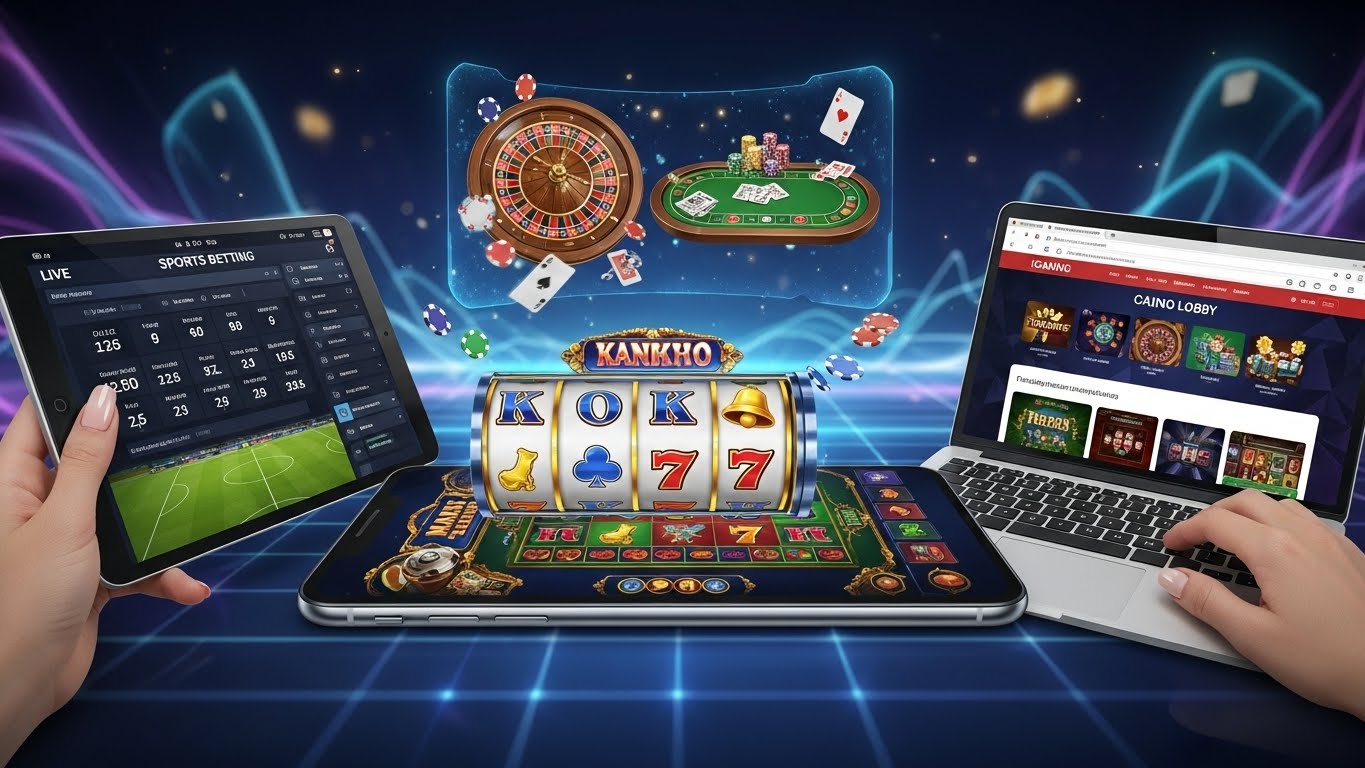

The world of gambling has undergone a massive transformation over the last few decades, with one of the most significant changes being the rise of iGaming. As technology continues to evolve, so too does the way people experience gaming, betting, and other forms of online gambling. The convergence of entertainment, technology, and regulation has made iGaming one of the fastest-growing industries in the world. In this blog post, we will explore the rise of iGaming, its impact on the global gambling landscape, and what the future holds for this exciting and rapidly developing sector.
What is iGaming?
iGaming, short for “interactive gaming,” refers to the use of the internet to play games that involve betting, wagering, or gambling. The most common forms of iGaming include online casinos, sports betting, poker, bingo, and fantasy sports. Unlike traditional land-based casinos, iGaming allows players to access their favorite gambling games from the comfort of their own homes, on their smartphones, tablets, or desktop computers.
The appeal of iGaming is clear. Players can engage in a variety of games at any time of day or night, without the need to travel to a physical casino or sportsbook. Moreover, the convenience of making deposits and withdrawals online, coupled with a wide variety of payment methods, has made iGaming a go-to choice for millions of users worldwide.
The Rise of iGaming
The iGaming industry has exploded in popularity over the past two decades. The advent of high-speed internet, smartphones, and improved gaming technology has opened up new possibilities for online gambling, allowing operators to offer immersive and interactive experiences that rival the excitement of traditional brick-and-mortar casinos.
Early Days of Online Gambling
The origins of iGaming can be traced back to the 1990s when the internet was still in its infancy. In 1994, the Caribbean nation of Antigua and Barbuda passed the Free Trade & Processing Act, which allowed for the establishment of online gaming licenses. This legislation paved the way for the first online casino, InterCasino, which launched in 1996. The early days of iGaming were rudimentary, with limited game offerings and basic user interfaces. However, the potential of online gambling was clear, and the industry began to grow rapidly.
By the early 2000s, online poker rooms such as PokerStars and PartyPoker were drawing millions of players, while online sports betting websites became increasingly popular. However, the legal landscape for online gambling was murky in many countries, leading to regulatory challenges. In the United States, for instance, the passing of the Unlawful Internet Gambling Enforcement Act (UIGEA) in 2006 made it illegal for financial institutions to process payments related to online gambling.
Despite these legal hurdles, the iGaming industry continued to flourish as more and more players flocked to online platforms. In the years following the UIGEA, several jurisdictions, including the United Kingdom, Malta, and Gibraltar, established comprehensive regulatory frameworks for iGaming operators. This shift toward regulation helped to legitimize the industry and ensured the safety and fairness of online gambling experiences.
The Modern iGaming Boom
By the 2010s, iGaming had firmly established itself as a major industry. The global market for online gambling was valued at approximately $34.5 billion in 2015, and it has been growing steadily ever since. As of 2023, the global iGaming market is projected to surpass $90 billion, with continued growth expected in the years to come.
This growth can be attributed to several factors, including advancements in technology, the proliferation of mobile devices, and the increasing acceptance of online gambling by both players and regulators. Mobile gaming, in particular, has played a key role in the rise of iGaming, as players can now access their favorite casino games, poker rooms, and sportsbooks anytime and anywhere.
Additionally, the introduction of live dealer games, virtual reality (VR) casinos, and cryptocurrency payments has further enhanced the appeal of iGaming, offering players more options and a richer gaming experience.
The Appeal of iGaming
The widespread success of iGaming can be attributed to a combination of factors that appeal to both casual players and hardcore gamblers. Below are some of the key reasons why online gambling has become so popular:
1. Convenience and Accessibility
One of the most significant advantages of iGaming is its convenience. Players no longer have to travel to a physical casino to enjoy their favorite games. With a computer or smartphone, players can access thousands of games, including slots, table games, poker, and sports betting markets, all from the comfort of their own homes.
Moreover, iGaming platforms are open 24/7, meaning that players can gamble at any time, day or night. This round-the-clock availability is a significant draw for many players, especially those who have busy schedules or live in areas without easy access to land-based casinos.
2. Variety of Games
Online casinos and sportsbooks offer a wide variety of games, often surpassing the options available at traditional casinos. In addition to classic table games like blackjack, roulette, and baccarat, iGaming platforms feature a diverse range of slot machines, video poker, scratch cards, and specialty games.
Sports betting platforms allow users to place wagers on a wide array of sports, from mainstream events like football, basketball, and horse racing to niche sports like eSports, darts, and even virtual sports. This diversity of options ensures that players of all interests and skill levels can find a game or event that suits them.
3. Bonuses and Promotions
Another key reason for the popularity of iGaming is the wide range of bonuses and promotions offered by online casinos and sportsbooks. New players can often take advantage of welcome bonuses, which may include free spins, deposit matches, or no-wagering promotions. Regular players are also rewarded with loyalty bonuses, cashback offers, and tournaments that give them the chance to win big prizes.
These promotions add an extra layer of excitement to online gambling and can significantly increase players’ chances of winning. For players who enjoy high-stakes action, some platforms even offer VIP programs that provide exclusive rewards, such as personalized bonuses and higher betting limits.
4. Privacy and Security
iGaming platforms provide a level of privacy and anonymity that is difficult to achieve in land-based casinos. Players can enjoy their favorite games without fear of judgment or scrutiny, and they can easily control their betting habits without others watching.
In addition, reputable iGaming platforms employ advanced encryption technology to protect players’ personal and financial data. Many platforms are also licensed and regulated by authorities such as the UK Gambling Commission, the Malta Gaming Authority, and the Gibraltar Regulatory Authority, ensuring that games are fair and that players’ funds are secure.
The Future of iGaming
As iGaming continues to grow, several emerging trends are shaping the future of the industry. Below are some of the key developments to watch in the coming years:
1. Integration of Virtual Reality (VR) and Augmented Reality (AR)
One of the most exciting prospects for the future of iGaming is the integration of virtual reality (VR) and augmented reality (AR) into online gambling experiences. VR casinos, for example, could offer players the opportunity to step into a fully immersive, 3D environment, where they can interact with dealers and other players in real time. This would provide an experience that closely mimics the atmosphere of a land-based casino, but without the need to leave home.
Similarly, AR could be used to enhance live dealer games, allowing players to see virtual elements overlaid onto their real-world surroundings. These technologies have the potential to revolutionize iGaming, offering players an experience that is more interactive, immersive, and engaging than ever before.
2. The Rise of Cryptocurrencies
Cryptocurrencies like Bitcoin and Ethereum are gaining popularity in the world of online gambling. Many iGaming platforms now accept digital currencies as a form of payment, offering players faster, more secure, and more anonymous transactions. Cryptocurrencies also provide players with the option to bet on games and events in a decentralized manner, free from the influence of traditional financial institutions.
As blockchain technology continues to evolve, we can expect to see more innovation in the way iGaming platforms handle payments, deposits, and withdrawals. The adoption of decentralized finance (DeFi) systems could further disrupt the industry, creating new opportunities for both players and operators.
3. Regulation and Responsible Gambling
As iGaming grows, so too does the need for effective regulation. In many regions, authorities are working to develop more comprehensive legal frameworks for online gambling, ensuring that operators follow strict guidelines regarding fairness, transparency, and player protection. In addition, there is an increasing focus on responsible gambling practices, with operators implementing measures like self-exclusion tools, deposit limits, and gambling addiction support services.
The future of iGaming will likely see greater collaboration between operators, regulators, and advocacy groups to ensure that online gambling remains a fun and safe activity for players worldwide.
Conclusion
iGaming has come a long way since its humble beginnings in the 1990s. The rise of online casinos, sports betting, and poker has transformed the global gambling landscape, offering players more options, greater convenience, and enhanced security. As the industry continues to grow, innovations like virtual reality, cryptocurrency, and improved regulation will likely drive the future of iGaming. The next few years will undoubtedly bring exciting new developments, and it will be fascinating to see where this digital revolution in gambling takes us.
Whether you’re a casual player looking for some fun or a dedicated gambler seeking high-stakes action, iGaming offers an ever-evolving world of opportunities. The future of online gambling looks brighter than ever, with new technologies and trends that promise to make gaming experiences more immersive, exciting, and accessible.