
The world of gaming has undergone a dramatic transformation over the past few decades, thanks to the rise of iGaming, or interactive gaming. With the expansion of the internet and advancements in technology, online gambling has become one of the fastest-growing industries worldwide. iGaming, which refers to all forms of online gambling, including online casinos, poker, sports betting, and virtual games, is thriving like never before. In this blog post, we will take an in-depth look at what iGaming is, its rapid growth, the appeal it holds for players, and where the industry is headed in the future.
What is iGaming?
At its core, iGaming refers to any form of gambling that takes place over the internet. This includes online casinos, sports betting, virtual sports, poker, bingo, and even newer forms of gaming such as eSports betting and fantasy sports. Unlike traditional, land-based gambling, iGaming allows players to participate in a variety of games and events from anywhere in the world, provided they have an internet connection.
The appeal of iGaming lies in its accessibility. Players can enjoy their favorite games or place sports bets at any time of the day or night without having to leave their homes. The proliferation of mobile devices has only expanded the reach of online gambling, as people can now gamble on the go through smartphones and tablets. But it’s not just about convenience—iGaming platforms have rapidly evolved to offer a broader range of games, enhanced player experiences, and innovative features that were once unimaginable in the traditional gambling landscape.
The Evolution of iGaming: From Humble Beginnings to a Global Phenomenon
The roots of iGaming can be traced back to the mid-1990s when the first online casinos started to appear. These early online gambling platforms were basic, offering a limited selection of games such as blackjack, roulette, and slots. The user experience was relatively simple, with rudimentary graphics and minimal interactivity. However, despite the technical limitations of the time, the concept of gambling online quickly caught the attention of players worldwide.
The real breakthrough for iGaming came in 1996 with the introduction of the first real-money online casino, InterCasino. This was a game-changer for the industry, demonstrating that people were not only willing to gamble online but were also comfortable with the idea of transferring real money to an online platform. Following InterCasino’s success, a number of other casinos and poker rooms began to emerge, further establishing the legitimacy of online gambling.
However, the industry faced a significant challenge in the early 2000s, particularly in the United States. The introduction of the Unlawful Internet Gambling Enforcement Act (UIGEA) in 2006 created a legal and financial barrier to online gambling. The law made it illegal for financial institutions to process payments related to online gambling transactions, effectively forcing many operators to either shut down or move their businesses to other jurisdictions. Despite this, the global growth of iGaming continued unabated as more countries around the world legalized and regulated online gambling.
By the 2010s, technological advancements had paved the way for even more sophisticated iGaming experiences. The development of high-speed internet connections, mobile technology, and improved gaming software made it possible to create more immersive and interactive gambling platforms. Online casinos began to offer live dealer games, where players could interact with real human dealers via video streaming. This innovation helped bridge the gap between online and land-based casinos, providing a more authentic and engaging experience for players.
The Appeal of iGaming: Why It’s So Popular
iGaming’s explosive growth can be attributed to a combination of factors that have made it more attractive to players than ever before. Let’s look at some of the key elements that make online gambling so appealing:
1. Convenience and Accessibility
One of the most obvious reasons for the success of iGaming is the unparalleled convenience it offers. Players can access their favorite games, place sports bets, and enjoy poker tournaments from the comfort of their own homes. They no longer have to travel to a physical casino or sportsbook to get in on the action. Furthermore, with the advent of mobile gaming, players can gamble wherever they are, whether it’s during their daily commute, on vacation, or while relaxing at home.
This level of convenience makes online gambling much more accessible to a wider range of people, especially those who may not live near a traditional casino. Whether you live in a city or a rural area, iGaming brings the casino experience right to your fingertips.
2. Wide Variety of Games
Another factor that drives the popularity of iGaming is the sheer variety of games available to players. Online casinos offer an extensive selection of games that far exceeds what is typically available at traditional brick-and-mortar establishments. From slots and table games like blackjack and baccarat to live dealer options and specialty games such as scratch cards and keno, players have endless choices at their disposal.
Additionally, online sportsbooks cover a wide range of sports, allowing bettors to wager on everything from major events like the Super Bowl or World Cup to niche markets such as eSports or virtual sports. Fantasy sports platforms also offer a new dimension of gaming, where players can draft teams and compete against others based on real-world performance.
This diversity means that there is something for everyone, regardless of their interests or experience level. iGaming platforms cater to casual players who enjoy the entertainment of gaming, as well as high-rollers looking for more serious betting action.
3. Bonuses and Promotions
One of the most enticing aspects of iGaming is the abundance of bonuses and promotions offered by online casinos and sportsbooks. New players can often take advantage of welcome bonuses, which may include free spins, deposit bonuses, or no-wagering promotions. These bonuses provide players with the chance to try out new games without risking their own money.
In addition to welcome offers, many platforms offer loyalty programs and regular promotions to keep players engaged. VIP programs, cashback offers, and weekly tournaments are just some of the ways that iGaming operators reward loyal customers. These bonuses not only enhance the gaming experience but also offer players greater chances to win without putting up additional funds.
4. Privacy and Security
For many players, the privacy and security provided by iGaming platforms are significant draws. Unlike land-based casinos, where players may feel self-conscious or scrutinized, online gambling allows for a greater sense of anonymity. Players can gamble discreetly, without the risk of being recognized or judged by others.
Reputable iGaming platforms also employ advanced encryption technology to ensure that players’ personal and financial data remains secure. Many of these platforms are licensed and regulated by established gambling authorities, such as the UK Gambling Commission or the Malta Gaming Authority. This regulatory oversight ensures that the games are fair and that players can trust the platform with their money.
5. Social Interaction
While online gambling is often viewed as a solitary activity, the industry has found innovative ways to incorporate social elements into the gaming experience. Live dealer games, for example, allow players to interact with real dealers and other players through video streaming. Many platforms also offer multiplayer poker tables and chat functions, where players can chat with each other during games.
The rise of social gaming features, such as in-game chat, tournaments, and leaderboards, has further enhanced the social aspects of iGaming. For many players, the social interaction aspect adds an extra layer of excitement to their gambling experience.
The Future of iGaming: What’s Next?
As iGaming continues to grow, several emerging trends and technologies are poised to shape its future. Let’s explore some of the key developments that could redefine the industry in the years to come:
1. Virtual Reality (VR) and Augmented Reality (AR)
Virtual reality (VR) and augmented reality (AR) are two technologies that have the potential to revolutionize iGaming. VR casinos could provide players with an immersive, 3D gambling experience where they can interact with dealers and other players in real-time. Players could walk through virtual casinos, sit at poker tables, and spin roulette wheels as if they were in a physical casino.
Similarly, AR could be used to enhance live dealer games by overlaying virtual elements into the player’s environment. These technologies would make online gambling even more interactive and engaging, creating an experience that is as close to real-world casinos as possible.
2. Cryptocurrency and Blockchain Technology
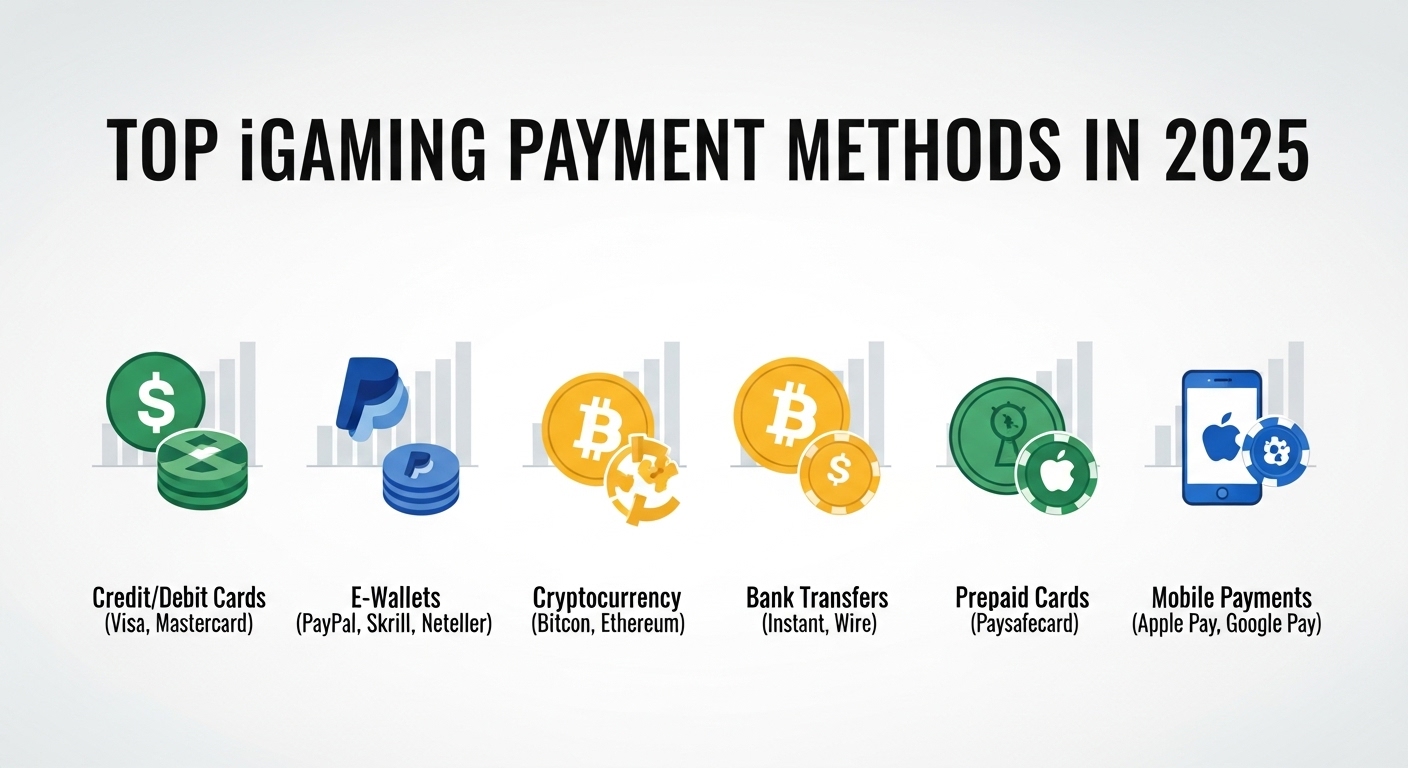
Cryptocurrencies like Bitcoin and Ethereum are already making waves in the iGaming industry. Many online casinos and sportsbooks now accept digital currencies as a payment method, providing players with faster, more secure, and more private transactions. The decentralized nature of cryptocurrencies also means that players are not reliant on banks or financial institutions, which could be appealing in regions where traditional payment methods are less accessible.
Blockchain technology, which underpins cryptocurrencies, could also play a role in ensuring fairness and transparency in online gambling. Blockchain can be used to create immutable records of every game result, ensuring that players can verify the outcome of each bet.
3. Increased Regulation and Responsible Gambling
As the iGaming industry grows, so too does the need for increased regulation and responsible gambling measures. Governments around the world are starting to recognize the importance of creating legal frameworks to ensure the safety and fairness of online gambling. This includes measures to prevent underage gambling, protect vulnerable players, and ensure the integrity of games.
The future of iGaming will likely involve greater collaboration between regulators, operators, and advocacy groups to create a safer gambling environment. Players will also have access to more tools for responsible gambling, such as self-exclusion programs, deposit limits, and access to addiction support services.
Conclusion
The world of iGaming is evolving at a rapid pace, driven by technological advancements, increased player demand, and expanding legal frameworks. From its humble beginnings as a niche market in the 1990s, iGaming has become a multi-billion-dollar global industry, offering players unprecedented convenience, variety, and security. As we look to the future, innovations