
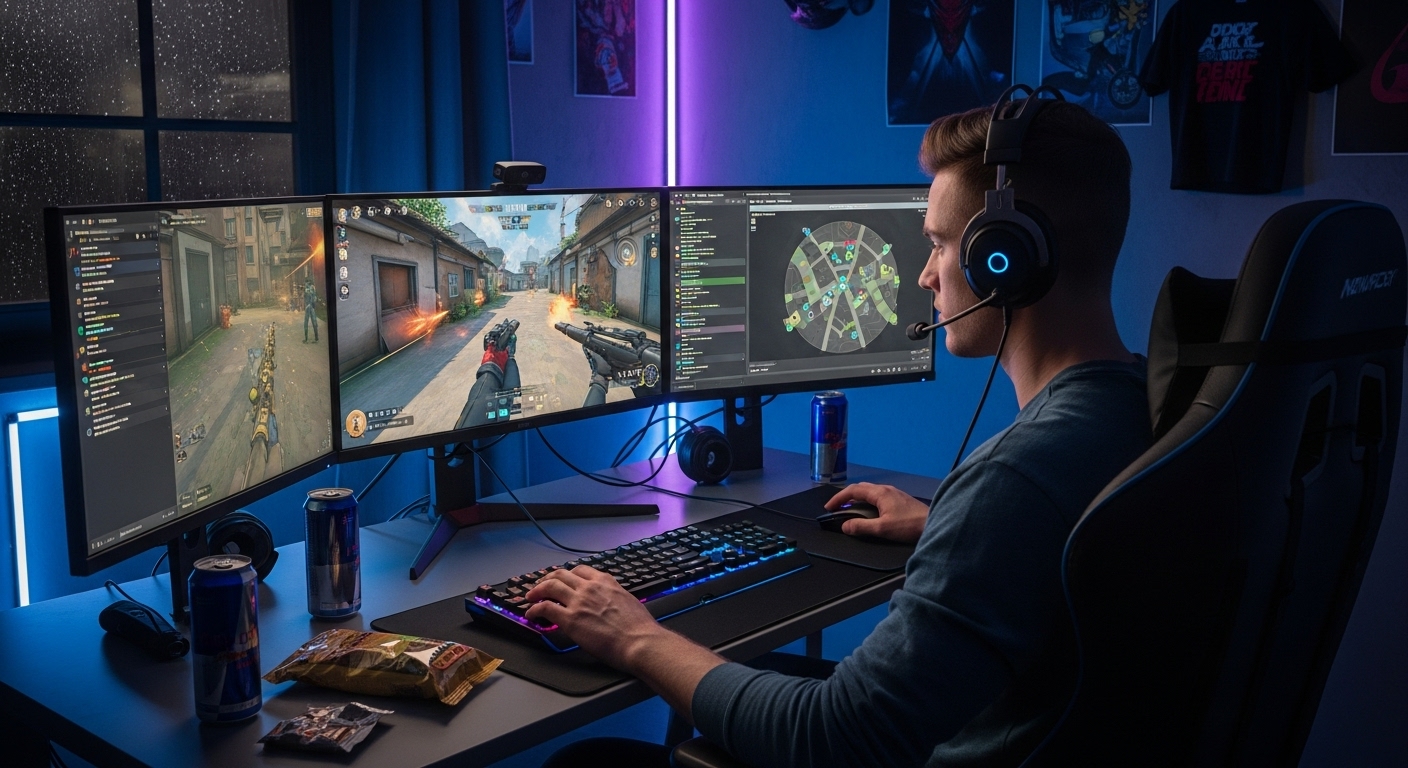
Gaming has grown from a simple pastime into one of the most influential industries in the world. What began as pixels on a screen has become a multi-billion-dollar global phenomenon that shapes entertainment, technology, and even culture. Over the years, gaming has transcended its role as mere recreation, becoming a social platform, a storytelling medium, and a competitive sport. From consoles and PCs to mobile and virtual reality, the gaming landscape has evolved to provide something for everyone, appealing to players of all ages and backgrounds.
The evolution of gaming is not just a story of technological progress but also of human imagination and innovation. The desire to play, compete, and create has fueled the rapid growth of the industry. As new generations of gamers emerge, the culture surrounding gaming continues to expand, connecting people across continents and redefining how entertainment is experienced.
The Origins of Video Gaming
The roots of gaming can be traced back to the mid-20th century, when computer scientists began experimenting with simple interactive programs. Early creations such as “Spacewar!” and “Pong” introduced the world to digital play. These early games may have been primitive by today’s standards, but they laid the foundation for what would become a vast industry.
During the 1970s and 1980s, arcade machines became the center of entertainment for millions. Games like “Pac-Man,” “Donkey Kong,” and “Space Invaders” captivated players with their fast-paced action and competitive nature. The arcade culture brought people together, fostering a sense of community and friendly rivalry. It also marked the beginning of gaming as a mainstream form of entertainment.
The arrival of home consoles like the Atari 2600, Nintendo Entertainment System, and Sega Genesis transformed gaming forever. Players could now enjoy their favorite titles from the comfort of their living rooms, leading to a surge in popularity. Iconic characters such as Mario, Sonic, and Link became household names, establishing gaming as a central part of popular culture.
The Rise of 3D and the Birth of Modern Gaming
The 1990s were a turning point in gaming history. The introduction of 3D graphics brought new levels of immersion and realism. Games like “Super Mario 64,” “Final Fantasy VII,” and “The Legend of Zelda: Ocarina of Time” showcased how technology could create worlds that felt alive and expansive.
This era also saw the rise of gaming consoles like the PlayStation and Nintendo 64, which pushed the boundaries of what was possible. Developers began focusing more on storytelling, character development, and cinematic experiences. Gaming evolved from simple challenges into fully realized adventures that captured the imagination of millions.
The introduction of CD-based media allowed for more complex games with detailed soundtracks, voice acting, and expansive environments. Genres diversified, with first-person shooters, role-playing games, and strategy games finding dedicated audiences. Gaming became not just entertainment but an art form capable of emotional storytelling and deep engagement.
The Expansion of Online Gaming
With the growth of the internet came one of the most transformative changes in gaming history: online multiplayer. The ability to play with or against people from around the world revolutionized the industry. Early online titles like “Counter-Strike,” “World of Warcraft,” and “Runescape” introduced a new social dimension to gaming.
Online gaming created virtual communities where friendships, rivalries, and collaborations thrived. Players could join guilds, form teams, and participate in large-scale competitions. The rise of broadband connections in the 2000s further accelerated this trend, making online play seamless and accessible.
Massively multiplayer online games, or MMOs, became global phenomena, attracting millions of players. The sense of community and shared adventure that these games offered created lasting bonds between players who may never meet in real life. Online gaming also laid the groundwork for the rise of esports, which would later redefine competitive gaming on a global scale.
The Emergence of Esports
Esports has become one of the most exciting developments in the modern gaming era. What started as small LAN parties and local tournaments has evolved into a multi-billion-dollar industry. Competitive gaming now fills arenas, attracts sponsors, and garners audiences that rival traditional sports events.
Titles such as “League of Legends,” “Dota 2,” “Counter-Strike: Global Offensive,” and “Fortnite” have become the pillars of esports competition. Professional players train for hours each day, honing their reflexes, strategies, and teamwork. Esports organizations have developed structured training regimens, coaching staff, and even analysts, similar to traditional sports teams.
The global reach of esports has also brought legitimacy to gaming as a professional pursuit. Players are recognized as athletes, earning sponsorships and lucrative contracts. Streaming platforms allow fans to watch their favorite teams and players in real time, creating a massive online spectator culture. Esports has proven that gaming is not just about playing for fun but also about competing at the highest levels of skill and precision.
The Role of Storytelling in Modern Games
As gaming technology has advanced, so too has the art of storytelling. Games are now capable of delivering emotionally rich narratives that rival the depth of films and literature. Players are no longer passive observers but active participants in the story, making choices that influence outcomes and shape the experience.
Titles like “The Last of Us,” “Red Dead Redemption 2,” and “God of War” demonstrate the power of interactive storytelling. These games combine cinematic visuals, compelling characters, and emotional depth to create unforgettable experiences. The bond between player and character becomes deeply personal, making the storytelling aspect of gaming one of its most powerful features.
Narrative-driven games have also allowed developers to explore complex themes such as morality, identity, and sacrifice. Players are often faced with difficult decisions that challenge their values and emotions. This level of engagement makes gaming one of the most immersive storytelling mediums ever created.
The Impact of Technology on Gaming
Technology has always been the driving force behind gaming evolution. Each advancement in hardware and software has opened new possibilities for creativity and innovation. The transition from 8-bit graphics to photorealistic visuals, from local play to global connectivity, has redefined what games can achieve.
Modern consoles and gaming PCs boast incredible processing power, enabling detailed environments, lifelike animations, and realistic physics. Developers use advanced engines to create vast open worlds that feel alive and dynamic. Artificial intelligence enhances gameplay by making non-player characters more realistic and adaptive.
Virtual reality and augmented reality have introduced entirely new ways to experience games. Players can now step directly into digital worlds, interacting with environments and characters as if they were physically present. This level of immersion is reshaping how gamers connect with content, blurring the line between reality and fantasy.
Cloud gaming is another technological breakthrough, allowing players to stream games without the need for high-end hardware. This innovation makes gaming more accessible and inclusive, expanding the reach of the industry to new audiences worldwide.
The Social Side of Gaming
Gaming is no longer a solitary activity. The rise of online multiplayer, voice chat, and social media integration has turned gaming into a global community. Players connect, collaborate, and share experiences across different platforms, forming friendships that transcend borders.
Games like “Minecraft,” “Among Us,” and “Fortnite” have become social spaces where people gather to create, compete, and communicate. The concept of the “metaverse” is emerging, where games function as virtual worlds that extend beyond entertainment, offering social interaction and digital expression.
Streaming platforms have amplified the social aspect of gaming even further. Gamers broadcast their play sessions to millions of viewers, creating new forms of entertainment and community engagement. The relationship between streamer and audience is interactive, with fans participating in real-time conversations and gameplay decisions.
This interconnectedness has made gaming one of the most influential social platforms of the modern age, uniting diverse groups through shared passion and creativity.
The Business of Gaming
The gaming industry has become one of the largest entertainment sectors in the world, surpassing film and music in revenue. Game development, marketing, and distribution have evolved into complex ecosystems that involve studios, publishers, and independent creators.
Major franchises generate billions in sales, while indie developers bring unique creativity and innovation to the market. The rise of digital distribution platforms has allowed smaller studios to reach global audiences without the need for traditional publishing.
In-game purchases, downloadable content, and subscription services have transformed how games are monetized. While these models have sparked debate, they also provide ongoing support and updates for games long after their initial release. Esports, merchandise, and media adaptations further expand the business potential of popular gaming properties.
The financial success of gaming has also driven investment in research and development, leading to continuous innovation and technological breakthroughs. As gaming continues to grow, it remains one of the most dynamic and profitable industries in the world.
The Cultural Influence of Gaming
Gaming has become a central part of global culture. It influences art, fashion, music, and even education. Iconic game characters and franchises have become cultural symbols recognized across generations.
Music and sound design play vital roles in creating atmosphere and emotional impact, with game soundtracks often achieving mainstream popularity. Gaming events and conventions bring together fans, developers, and creators, celebrating the community and its achievements.
The integration of gaming into education is another significant cultural development. Educational games and simulations teach problem-solving, teamwork, and critical thinking. Schools and universities use gaming technology to make learning more engaging and interactive.
Gaming has also become a storytelling tool that reflects societal issues and personal experiences. Indie developers, in particular, use games to express perspectives and emotions, turning gaming into a form of digital art.
The Future of Gaming
The future of gaming promises even greater innovation and transformation. With emerging technologies like artificial intelligence, virtual reality, and cloud computing, the boundaries of what games can achieve are expanding rapidly.
AI will continue to enhance realism, making characters and environments more intelligent and responsive. Virtual and augmented reality will blur the line between the physical and digital worlds, offering fully immersive experiences. Cloud gaming will make high-quality gaming accessible to anyone with an internet connection, eliminating hardware limitations.
The concept of the metaverse is likely to reshape how people interact with digital spaces, merging gaming, social networking, and commerce into unified virtual worlds. Players will not only play games but live, work, and socialize within them.
Sustainability will also become a focus, with developers exploring eco-friendly production methods and energy-efficient technologies. As gaming continues to evolve, it will remain a powerful medium for creativity, connection, and cultural expression.
Conclusion
Gaming has come a long way from its humble beginnings. What started as a simple form of digital amusement has grown into one of the most influential industries on the planet. It has shaped technology, entertainment, and culture in ways few could have imagined.
From the pixelated classics of the past to the immersive virtual worlds of today, gaming continues to push boundaries and inspire creativity. It connects people across the globe, fosters innovation, and tells stories that move hearts and minds.
As technology advances, gaming will continue to evolve, creating new experiences and opportunities for players everywhere. Whether as a form of art, competition, or social connection, gaming stands as a testament to human imagination and the endless pursuit of fun and discovery.
The world of gaming is not just about playing—it’s about creating, connecting, and exploring limitless possibilities. The journey of gaming is far from over, and its future promises to be even more exciting, inclusive, and transformative than ever before.