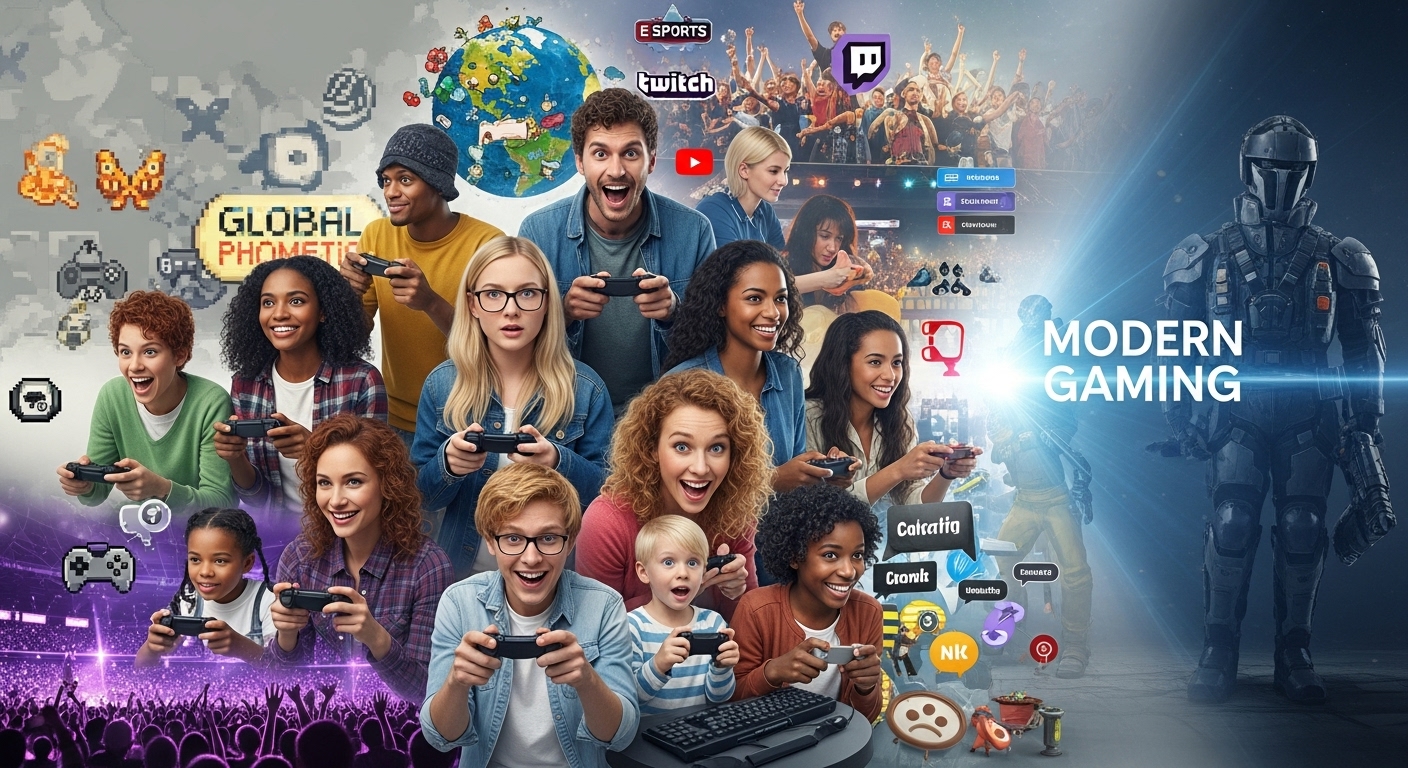

In recent years, esports has evolved from a niche activity to a global phenomenon, capturing the hearts of millions of fans worldwide. What started as small, competitive gaming tournaments in living rooms and basements has transformed into a billion-dollar industry. Today, esports boasts not only huge audiences but also professional players, top-tier sponsorships, and even university scholarships. In this blog post, we will explore how esports has risen to prominence, the factors contributing to its rapid growth, and what the future holds for this exciting and dynamic industry.
What is Esports?
Esports, short for electronic sports, refers to competitive video gaming at a professional level. It encompasses multiplayer online games where individuals or teams compete against each other in organized tournaments, often streamed online for global audiences. The games involved in esports range from first-person shooters (FPS) to real-time strategy games (RTS), multiplayer online battle arenas (MOBA), and sports simulations, among others. The players involved in these events are typically professionals who train for hours, honing their skills in hopes of securing victories and fame.
Esports has grown to become a massive industry, with professional players earning substantial incomes from sponsorships, endorsements, tournament prize pools, and streaming platforms like Twitch, YouTube, and others. Events such as the “League of Legends World Championship” and “The International” for Dota 2 attract millions of viewers, rivalling the viewership of traditional sports like basketball, football, and even the Super Bowl.
The Evolution of Esports
The journey of esports began in the early days of competitive gaming. Back in the 1990s, games like Street Fighter, Quake, and StarCraft laid the foundation for competitive play. However, it wasn’t until the early 2000s that the concept of organized esports tournaments started to gain momentum. Major events such as the World Cyber Games and Electronic Sports World Cup helped establish esports as a legitimate form of entertainment.
The true turning point for esports came in the late 2000s and early 2010s, with the rise of online multiplayer games such as League of Legends, Counter-Strike, and Dota 2. These games allowed players from all over the world to connect, compete, and create an international community of esports enthusiasts. Major game publishers like Riot Games (for League of Legends) and Valve (for Dota 2) recognized the potential of esports and began to invest heavily in the competitive gaming scene, which in turn boosted its popularity.
Additionally, the growth of live streaming platforms such as Twitch (founded in 2011) allowed fans to watch their favorite players and teams compete in real-time. Esports began to flourish as a spectator sport, not just for the players involved, but for millions of fans across the globe.
Key Factors Contributing to Esports’ Growth
Several factors have contributed to the exponential growth of esports, transforming it into the global spectacle it is today. Let’s take a closer look at some of these key factors.
1. The Rise of Streaming Platforms
One of the main drivers of esports’ popularity is the rise of live streaming platforms. Twitch, YouTube Gaming, and other platforms allow fans to watch their favorite gamers in action and interact with them through live chats. This form of engagement has helped build a deeper connection between players and fans, creating an interactive experience that traditional sports cannot match.
Streaming also allows esports events to reach a global audience, breaking down geographical barriers and creating a truly worldwide community. This has led to more sponsorship deals, greater brand engagement, and larger prize pools for esports tournaments.
2. The Expansion of Sponsorships
As esports became more popular, traditional brands began to see the potential of this new form of entertainment. Sponsorships from companies across industries—from tech giants like Intel and Nvidia to beverage companies like Coca-Cola and Red Bull—have poured millions of dollars into the esports ecosystem. These sponsorships not only support players and tournaments but also contribute to the overall growth of the industry.
Branding in esports has also become a unique experience for fans. Many esports teams have official sponsors and merchandise, creating a sense of loyalty and identity similar to that seen in traditional sports.
3. Professionalization of Players and Teams
Another critical factor in esports’ rise has been the professionalization of players and teams. Gone are the days when esports players were hobbyists or amateurs. Today, many players treat esports as a full-time career, spending hours daily refining their skills, analyzing strategies, and preparing for upcoming tournaments. Esports teams, much like traditional sports teams, have coaches, analysts, and support staff to ensure their players reach peak performance.
Esports organizations, such as Team Liquid, Cloud9, and FaZe Clan, have become household names, and some of these teams even have their own training facilities and corporate sponsors. These teams sign professional players to multi-year contracts, providing salaries, sponsorships, and benefits. The competitive nature of esports is now at an all-time high, with players competing for lucrative prize pools and the fame that comes with being a top-tier competitor.
4. Growing Popularity Among Younger Audiences
One of the most important reasons behind the rise of esports is the increasing popularity of gaming among younger generations. According to research, the majority of esports viewers are between the ages of 18 and 34, with a significant portion of them identifying as avid gamers themselves. This demographic is also highly tech-savvy, making them the perfect audience for digital platforms and live-streamed events.
Esports taps into this younger generation’s desire for fast-paced entertainment, community interaction, and global connectivity. For these fans, esports is not just about watching a game; it’s about being a part of a larger cultural movement.
Esports as a Career Path
In the past, gaming was often seen as a hobby or pastime, but today it has become a viable career path for many individuals. Professional gamers can earn substantial incomes, thanks to tournament prize money, sponsorships, streaming revenues, and content creation. Some of the best esports players in the world make millions of dollars annually.
Additionally, the rise of esports has created new career opportunities beyond just playing the games. Esports event organizers, broadcasters, analysts, content creators, and marketers all play vital roles in the industry’s ecosystem. Universities have also started offering scholarships and academic programs dedicated to esports, giving students the opportunity to pursue their passion while also receiving an education.
The Future of Esports
The future of esports looks incredibly bright. With growing investment from major companies, increased media coverage, and a dedicated global fanbase, esports is poised to become an even more dominant force in the entertainment industry. Some experts even predict that esports could eventually rival traditional sports in terms of viewership, with major media companies already securing broadcasting rights for esports tournaments.
In addition, emerging technologies like virtual reality (VR) and augmented reality (AR) have the potential to enhance the esports viewing experience. VR could allow fans to “step inside” the game, providing a more immersive and engaging experience. As the technology continues to improve, the possibilities for esports are limitless.
Esports may also become more integrated with traditional sports, with potential crossover events, sponsorships, and even hybrid tournaments that combine elements of both. Major sports leagues, such as the NFL and NBA, have already begun experimenting with esports partnerships, recognizing the growing overlap between the two industries.
Conclusion
Esports has come a long way from its humble beginnings. What started as small gaming tournaments in basement apartments has blossomed into a multi-billion-dollar industry with a massive global audience. Factors such as the rise of streaming platforms, increased sponsorship opportunities, and the professionalization of players have all contributed to the rapid growth of esports.
As esports continues to grow, it has the potential to reshape the entertainment landscape, offering new career opportunities, innovative viewing experiences, and a deeper connection between fans and their favorite players. For now, it’s clear that esports is here to stay and will likely continue to captivate audiences for years to come. Whether you’re a player, a fan, or simply an observer, it’s an exciting time to be a part of the esports revolution.